Sueyon Hwang
▷ How did your work with the body and form begin?
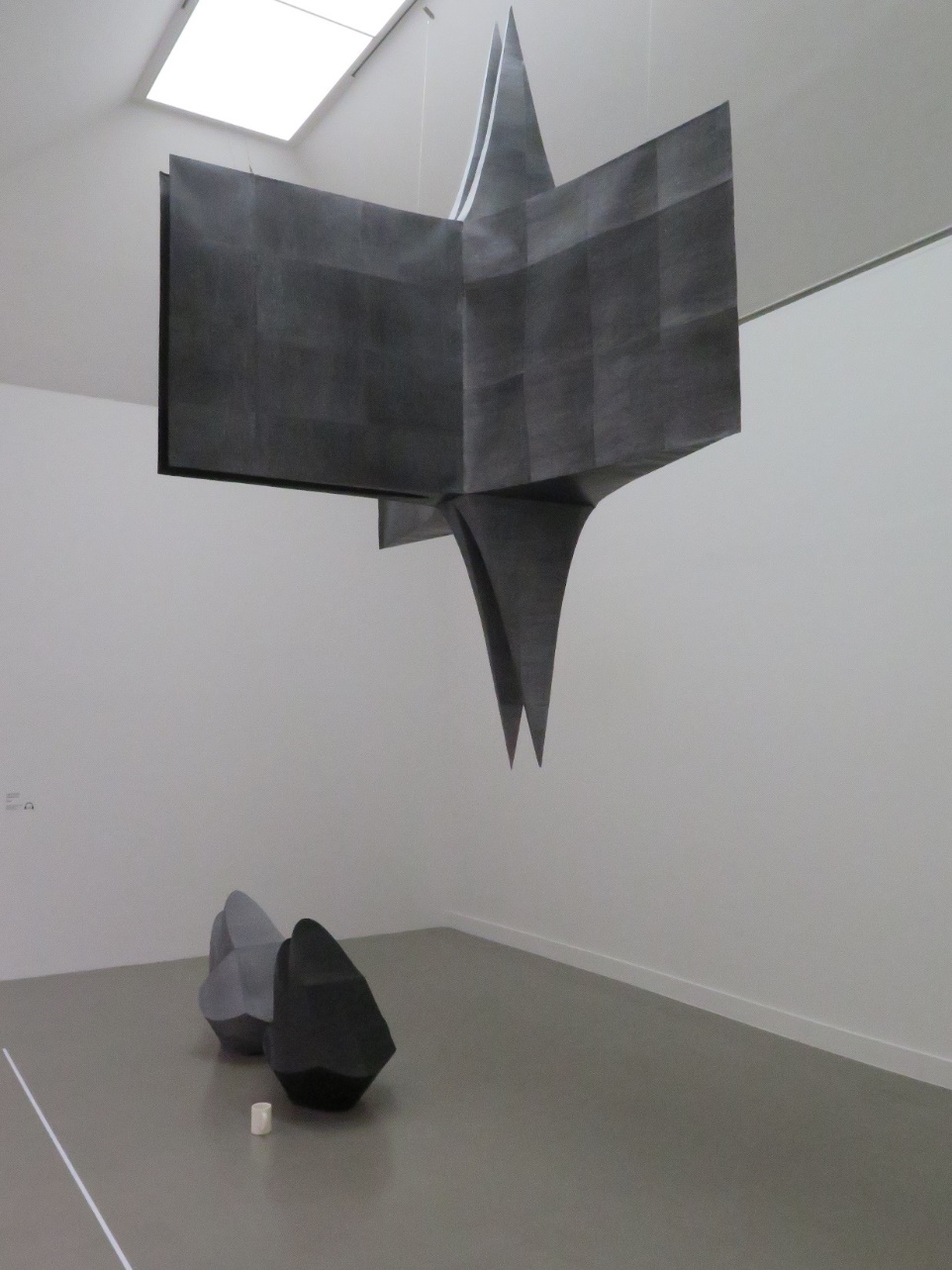
I explore how material and body mediate one another in the making of a body. The form began by chance, with a tailor’s curve I had kept from dressmaking classes. Realizing it was designed to create three-dimensional forms fitted to the human body, I brought its curves and lines into sculpture. This led to 《Paper Body, Paper Face》, hollow paper sculptures whose planes barely support their volume. Over time, they absorb moisture, buckle, wear down, and may return to flat paper—changes I see as material living out its own time.
▷ What does working with materials by hand mean to you?
I spend long periods with materials as equals, touching, tapping, or tearing them to understand their latent forms and properties. I project my physical and psychological state onto the material, while it sets limits in return. The process resembles negotiation, with both of us holding the steering wheel. I also use mechanical fabrication, seeking errors and estrangement where handwork and precision collide.
▷ Where do your work and 《HUMAL》 meet?
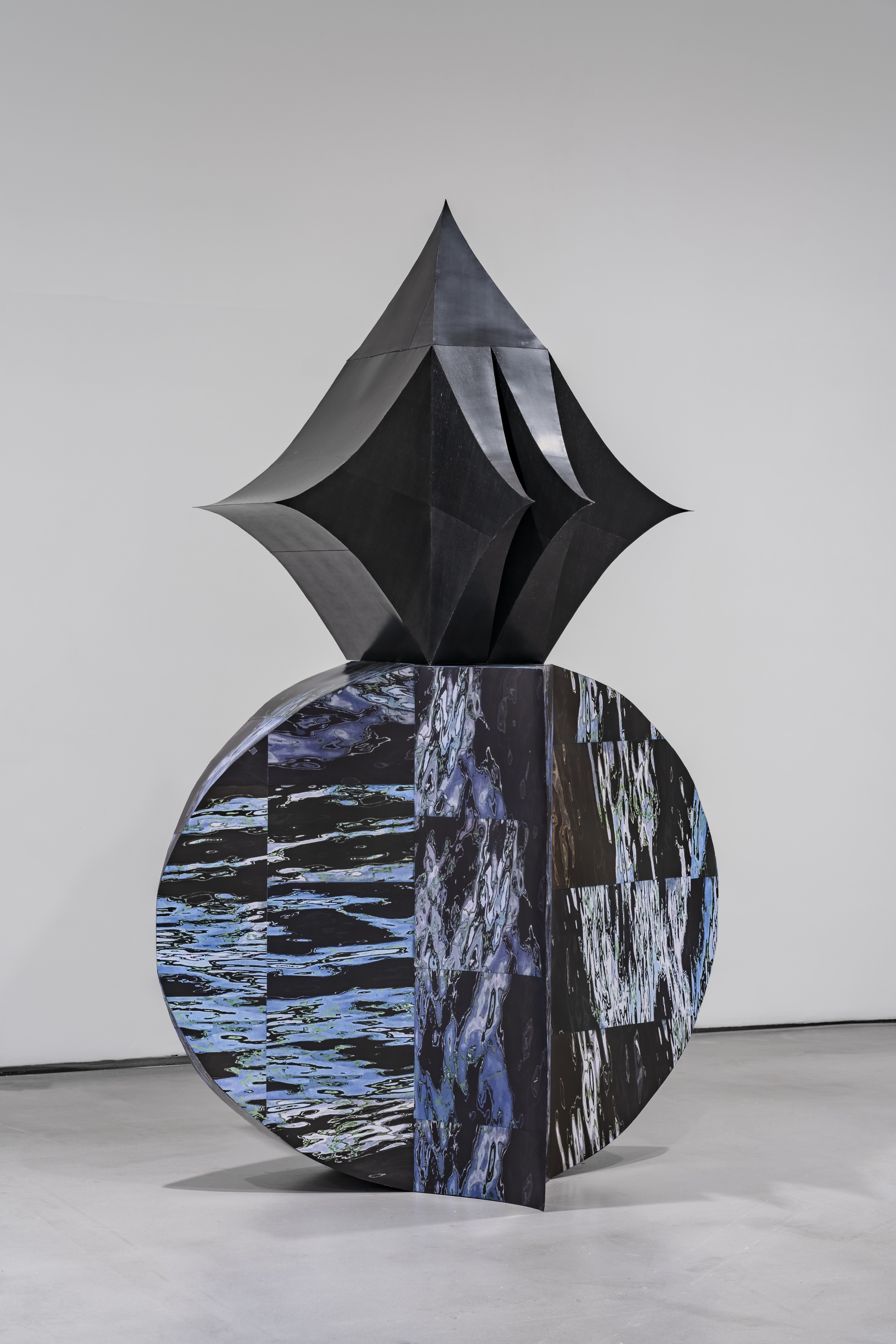
My work includes impersonal characters between human, animal, and plant. Humans are defined by roles, language, and norms, yet bodily we share the same material conditions as nonhuman beings: we eat, wear down, suffer, age, and die. In the kitchen, plants and animals become part of me. Bodies pass through one another, forms circulate, and wonder coexists with cruelty.
▷ What do you hope viewers feel?
《Paper Body, Paper Face》presents thin-skinned sculptures carrying large volumes and the possibility of collapse. I ask whether imperfection is only a lack of strength or can endure as possibility. Rather than offering an answer, I hope viewers linger beside these fragile bodies, sensing the time within them and briefly sharing their existence in silence.