Heinkuhn Oh
▷ How did your work with the body and form begin?
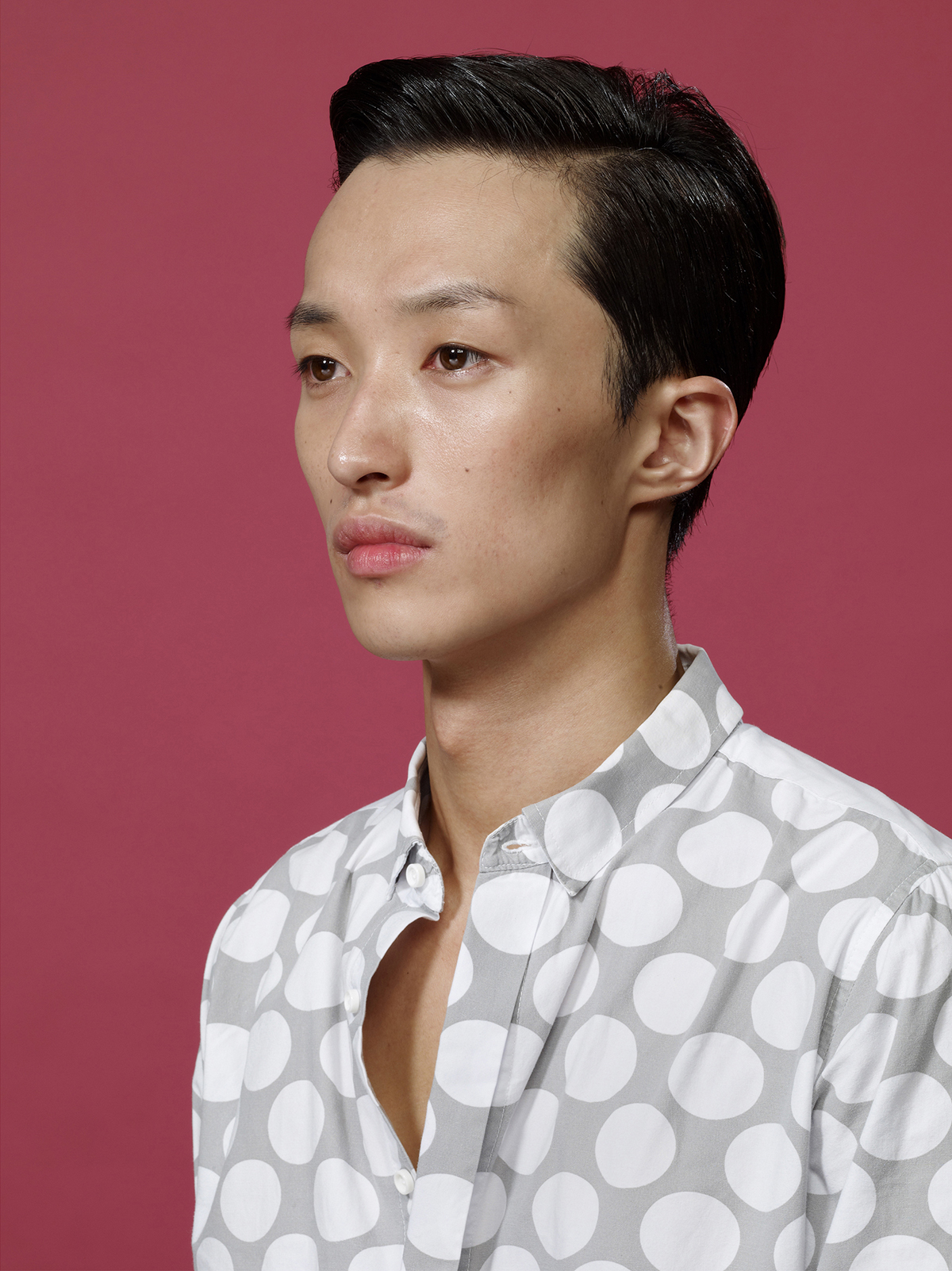
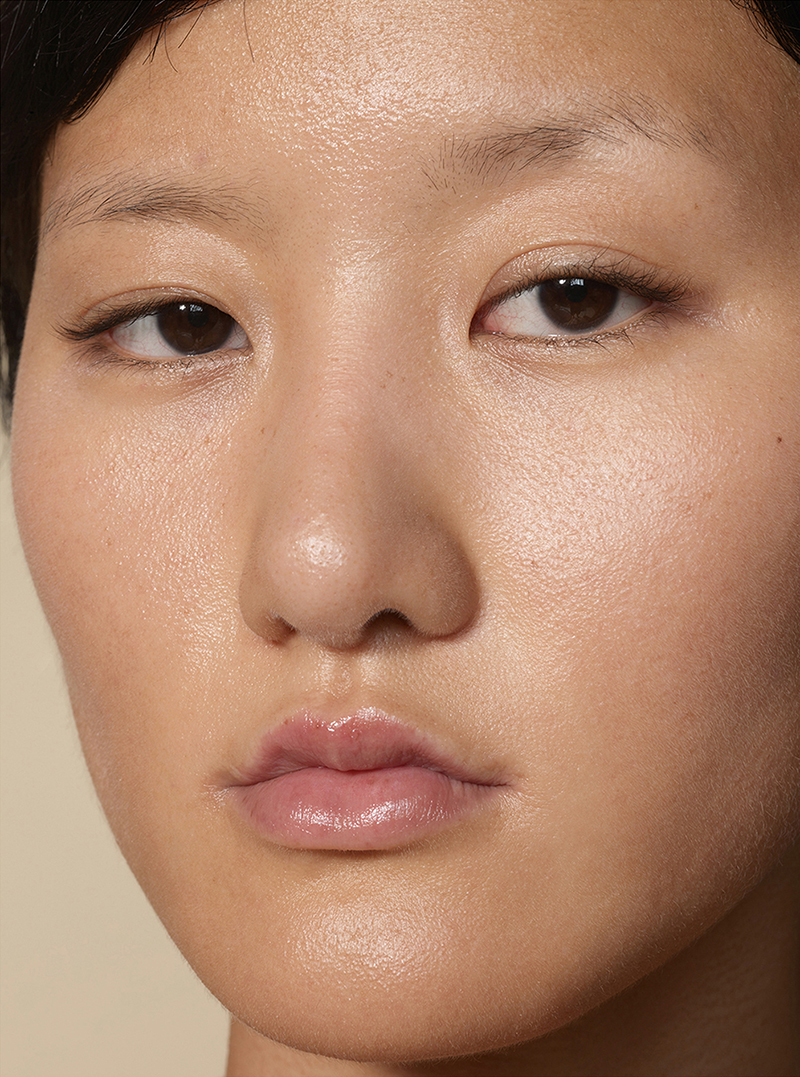
At first, my focus was not the body but the skin. While working on the black-and-white series 《Ajumma》 and 《Girl’s Act》, I became fascinated by how the details and textures of skin could shape a person’s narrative. I capture not expressions but impressions: an expression is seen, while an impression remains. In 《Ambivalent》, I added the body to convey sensations the face alone could not, revealing young people whose identities and desires resist simple binaries, such as male and female, reason and instinct.
▷ Why do you focus on wounds and anxiety?
I see what I capture as scars rather than wounds. A wound passes, but a scar remains on the body and face. What interests me is not anxiety itself, but the face that tries to conceal it. I do not believe photography reveals the inner self directly; what we read is our interpretation. Yet a carefully constructed façade can reveal the deepest interior. If we look long enough, what a person wishes to hide gradually begins to surface.
▷ Where do your work and 《HUMAL》 meet?
I have long tried to understand people through the face. Here, the body does not replace the face; it adds another layer to the impression. The idea of gan (間)—a relational space where differences meet and create tension—also shapes this work. If 《HUMAL》 addresses the senses and instincts coexisting within a human being, 《Ambivalent》 examines how that tension settles on the face and body.
▷ What do you hope viewers feel?
《Ambivalent》 explores the loose, ambiguous tension created when different desires coexist within one person. My photographs record drifting identities, uncertain desires, and hidden compulsions. It asks us to linger. I believe a good portrait does not explain a person; it makes us keep looking.