Gosari | Kiaf HIGHLIGHTS 2026 Award Winner
| [INTERVIEW] Kiaf HIGHLIGHTS 2026
Gosari — Lives That Lean on One Another
Gosari closely observes the moments when living beings, objects, and people enter into one another’s lives and form relationships, carrying the sensations and stories that emerge from these encounters into her practice. 𝘛𝘩𝘦 𝘉𝘢𝘳𝘯 𝘚𝘸𝘢𝘭𝘭𝘰𝘸’𝘴 𝘕𝘦𝘴𝘵, presented at Kiaf SEOUL 2026, began with swallows building their nests from mud and straw and raising their young, alongside market vendors who had long watched over and cared for the nests. By coincidence, just as the swallows were preparing to leave, the artist herself was also setting out on a new journey to Taipei.
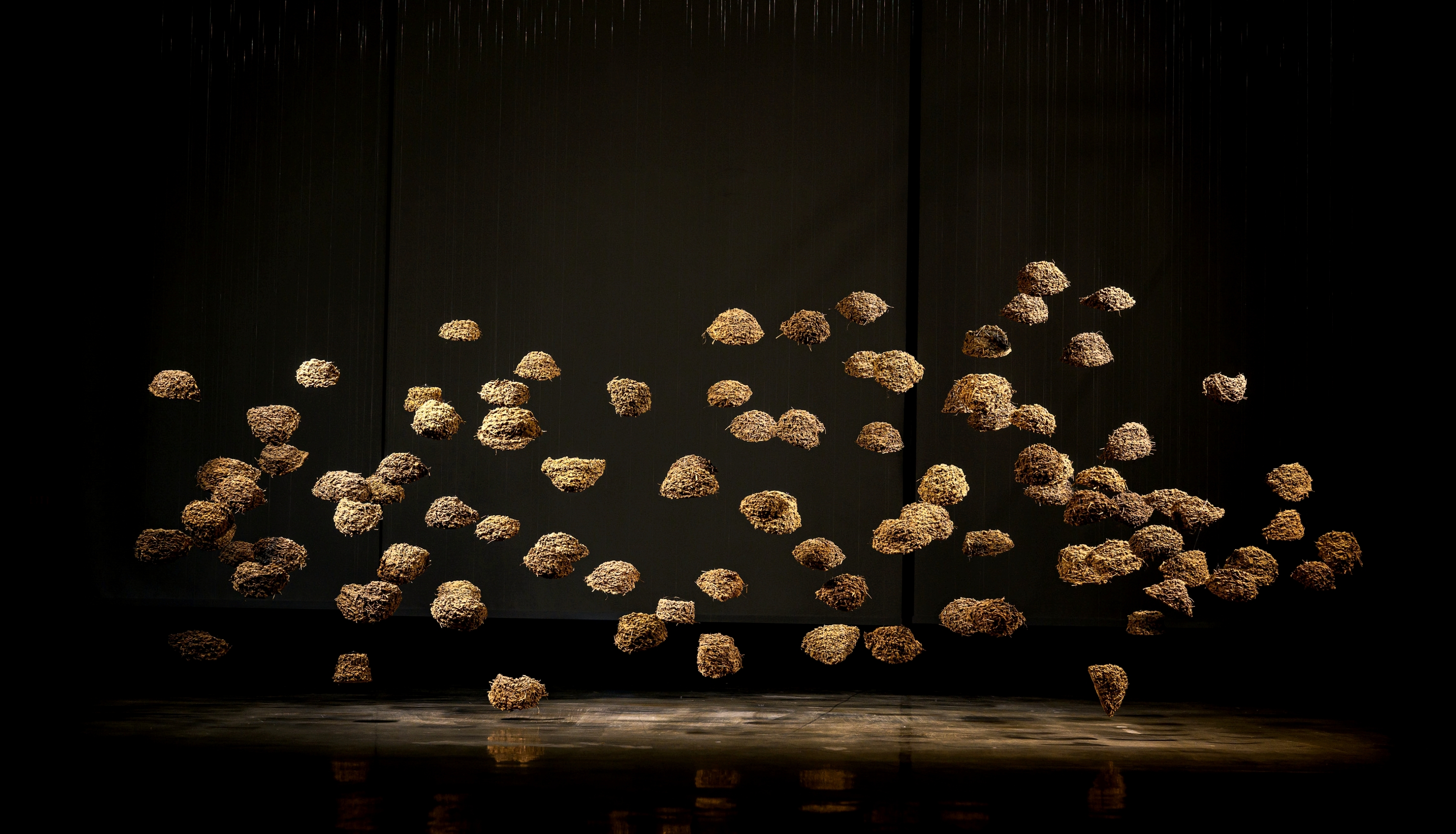 The Barn Swallow’s Nest, 2025 – present.
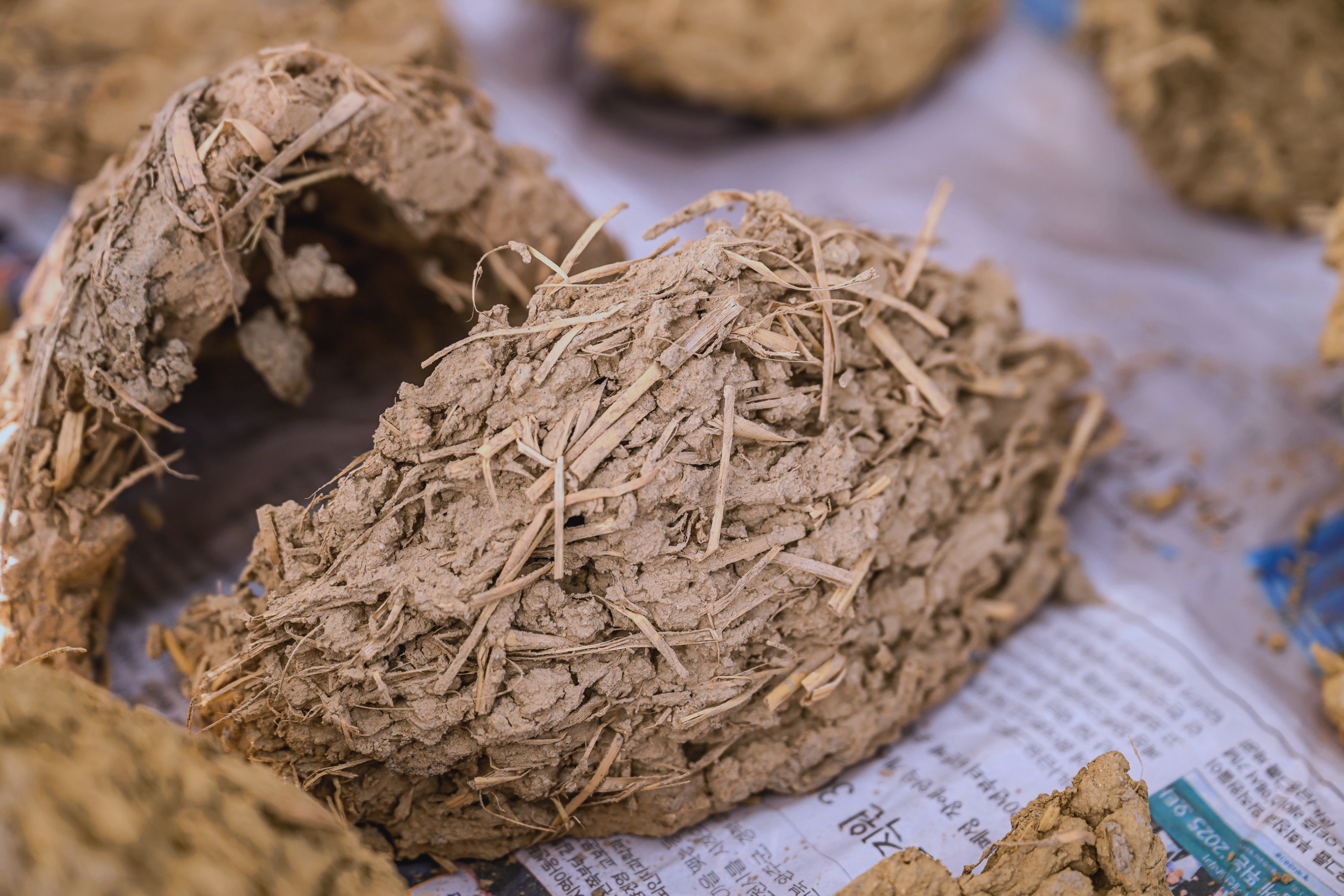
Mud and straw from Namdaecheon Stream in Gangneung, onggi clay, dimensions variable (each: 10 x 13 x 10 cm).
Q1. Is there a story behind 𝘛𝘩𝘦 𝘉𝘢𝘳𝘯 𝘚𝘸𝘢𝘭𝘭𝘰𝘸’𝘴 𝘕𝘦𝘴𝘵, which you presented at Kiaf SEOUL 2026?
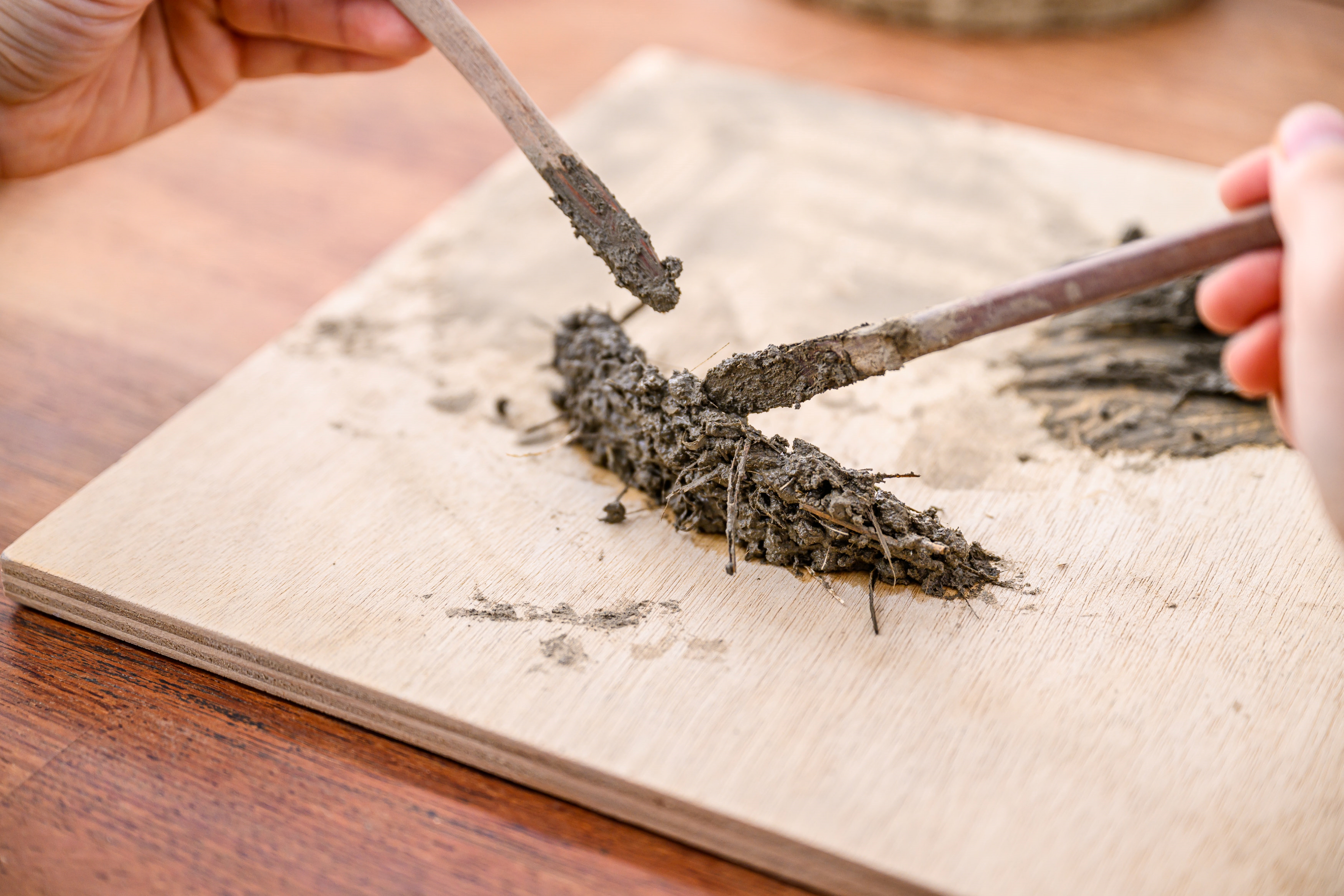
At Kiaf SEOUL 2026, I presented 𝘛𝘩𝘦 𝘉𝘢𝘳𝘯 𝘚𝘸𝘢𝘭𝘭𝘰𝘸’𝘴 𝘕𝘦𝘴𝘵, a work that began with the devoted labor of swallows building their homes from riverside mud and straw and tirelessly carrying food to their young, as well as the market vendors who cared for the nests almost as if they were their own children.
The fair happened to coincide with the fledging season, when the swallows leave the nests where they have been staying and set out on a long journey. The day after the fair ended, I too left for Taiwan to begin a residency in Taipei. Following the swallows’ journey across the sky from one land to another, I began my own new journey, hoping to encounter swallows again throughout Taiwan.
 Gosari
Q2. What themes or questions are you most interested in exploring in your recent work?
Recently, I have found myself drawn to the ways different beings coexist. I am constantly reminded that life does not exist in isolation; survival itself depends on mutual reliance and cooperation.
I find myself quietly observing how people and grass, soil and stones already inhabit one another’s spaces. I respond to the countless sensations, narratives, and relationships that emerge as beings become intertwined and transformed through one another, and I try to bring these into my work.
Q3. Could you tell us about the direction you hope to take your practice and your upcoming plans?
Waiting for a seed to sprout, or watching swallows build a nest, raise their young, and eventually leave, are all ways of drawing closer to these beings at the pace and rhythm of my own life.
Rather than separating life from my practice, I want to continue forming lasting relationships with the things I encounter in everyday life, moving forward quietly and without rushing, at my own pace.
Q4. What was it like to meet audiences through Kiaf HIGHLIGHTS 2026?
𝘛𝘩𝘦 𝘉𝘢𝘳𝘯 𝘚𝘸𝘢𝘭𝘭𝘰𝘸’𝘴 𝘕𝘦𝘴𝘵 is both a trace of a life once present and a place left behind by a being that is no longer there.
I watched people pause in front of the small, empty nest, each looking at it through their own memories and sense of time. At the fair, viewers shared memories of their own encounters with swallows from years past, or recalled moments when they had felt connected to nature. Those moments—when they shared their stories with me and spent time with the work—have stayed with me for a long time.
Q5. Finally, is there anything you would like to share with viewers encountering your work?
We live by leaning on countless other beings, and each of us, in turn, becomes a small part of another’s life, helping shape the course of that life. Within this brief life, in which we stay for a while and then move on, I hope my work can quietly find a place in the hearts of those who encounter it.
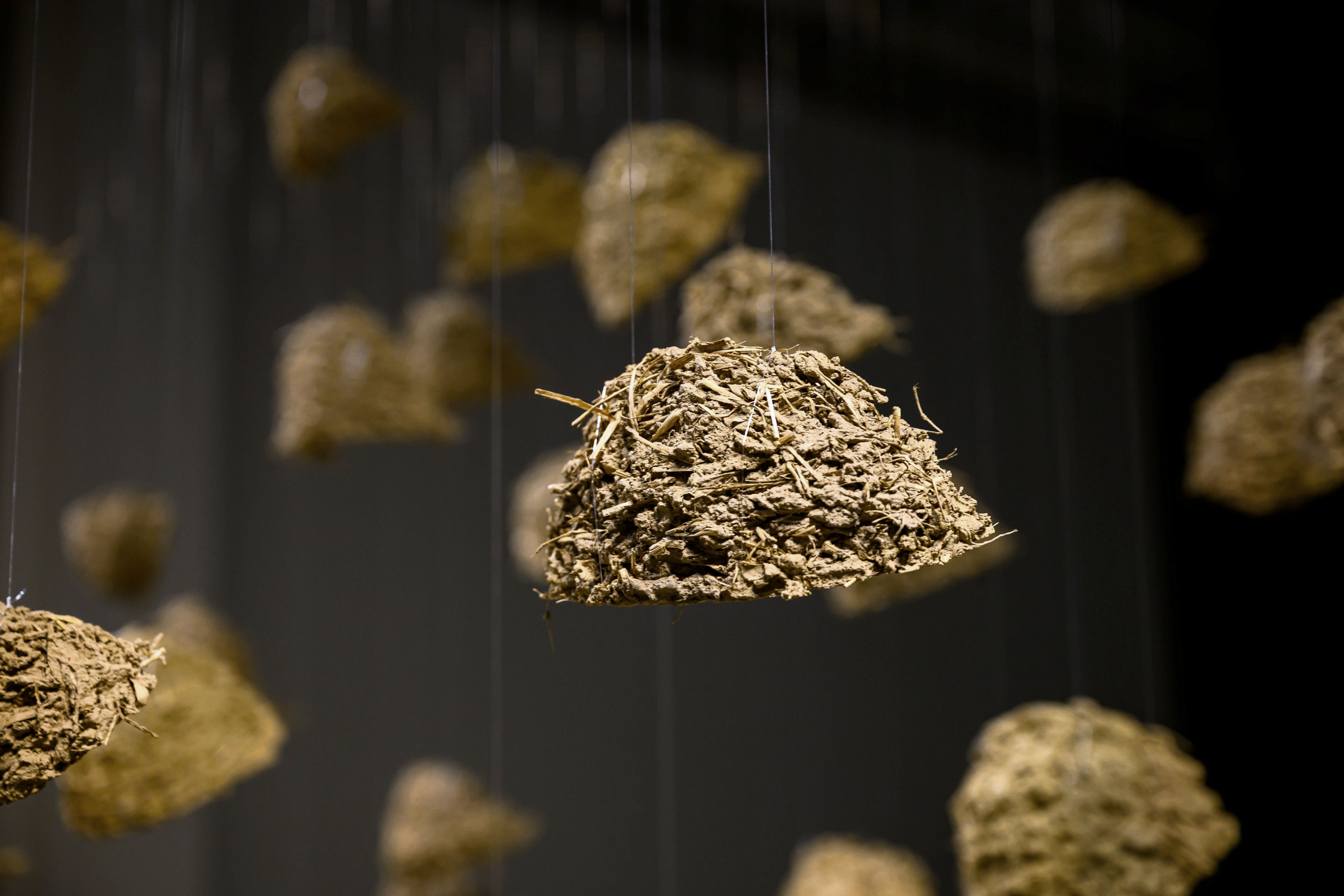 The Barn Swallow’s Nest, 2025 – present.
Mud and straw from Namdaecheon Stream in Gangneung, onggi clay, dimensions variable (each: 10 x 13 x 10 cm).
Images: © Gosari. Courtesy of the artist and GALLERY SHILLA.
[INTERVIEW] Kiaf HIGHLIGHTS 2026
MORE LIKE THIS