


Uncompleted Structures
2026. 1. 26 – 2. 28 | [GALLERIES] Gallery Doll
KWON Hoon Chill
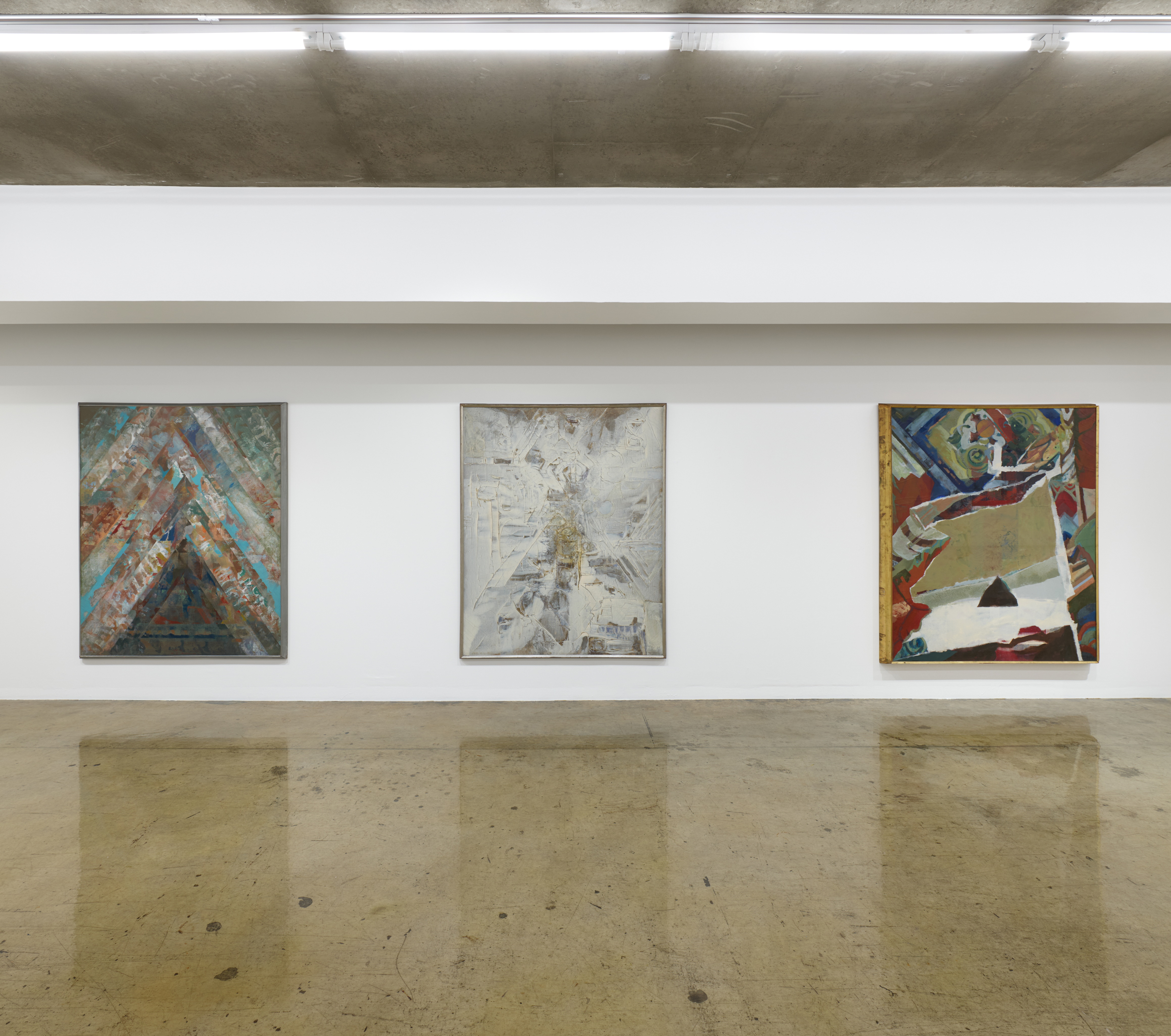
《Uncompleted Structures》 Installation View (1)
Gallery Doll presents Uncompleted Structures, a solo exhibition of KWON Hoon Chill (1948–2004), as its first exhibition of the new year. A two-time recipient of the National Art Exhibition award and a graduate of Seoul National University who later pursued further studies in Italy, KWON developed a practice that moved fluidly between abstraction and figuration, achieving a high level of completion without privileging either.
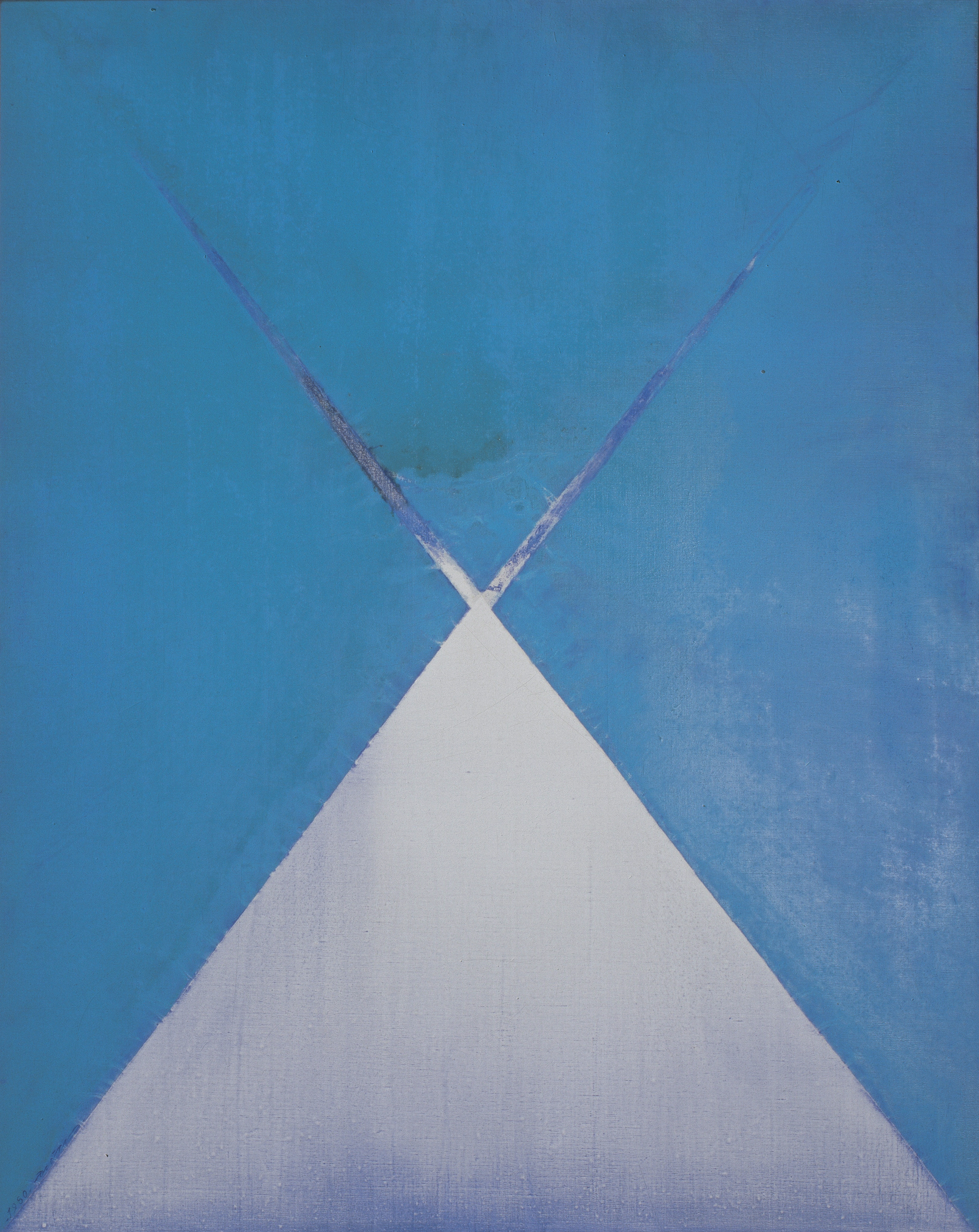
KWON Hoon Chill, 아리랑 X, 1980, Oil on canvas, 145×113cm
KWON described the pleasure of experiencing the world as the driving force behind his creative practice, remarking that “the very act of painting is my joy.” Yet, strictly speaking, he did not present concrete forms. Rather, his work was shaped by a sustained inquiry into the formal structures of abstraction through non-figurative forms, accompanied by continuous analysis and exploration of their outcomes. This exhibition retraces the artist’s journey toward reaching a mandala articulated through his own painterly language, presenting works produced up to the 1990s.
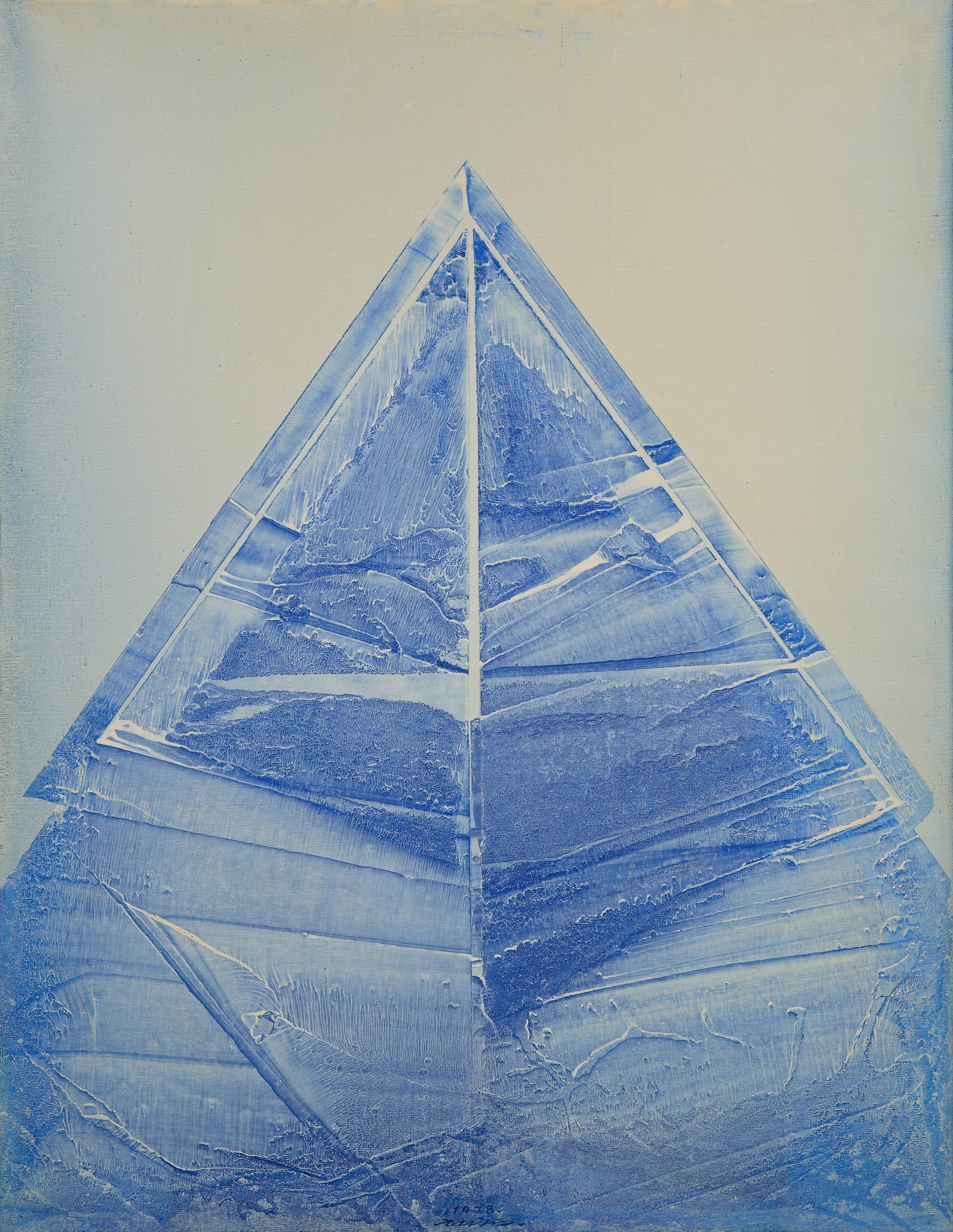
KWON Hoon Chill, 우의적 형식-XII, 145x113cm, oil on canvas, 1978
Moving freely between abstraction and figuration, KWON at times sketched realistic forms as if in practice, while consistently deepening his painting through sustained abstract work. His paintings—where softness and cool delicacy are held in balance—are governed more by reason than by lyricism, reflecting a lifelong commitment to pictorial experimentation. In pursuit of perfection, he spent long hours in his studio, an attitude that is fully conveyed in his works. His focus on the act of painting itself soon led to the question of how that act might be expressed on a flat surface, from which his exploration of abstract form began.
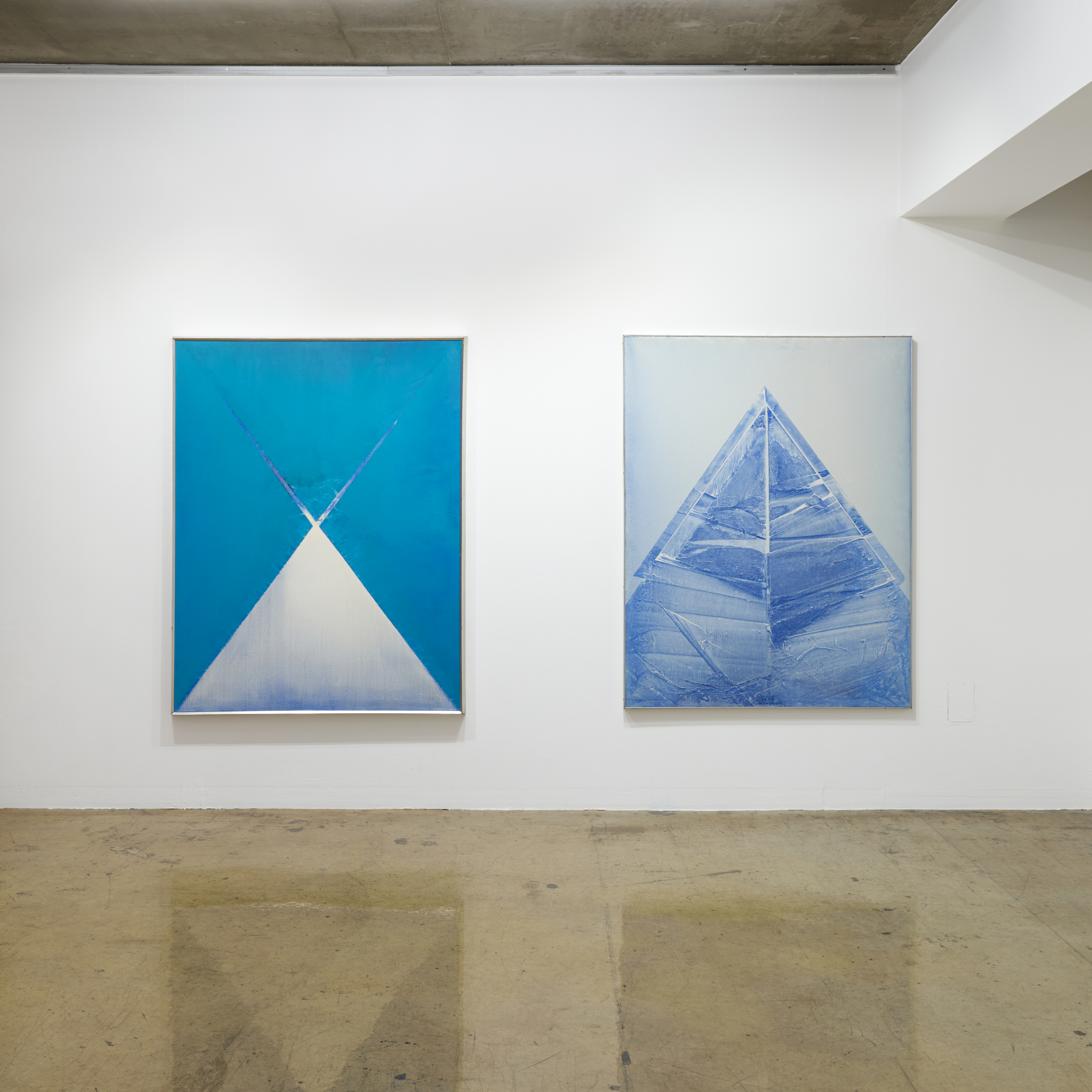
《Uncompleted Structures》 Installation View (2)
Ecstasy-A reveals not merely visual form but also the positioning of color and space, along with inner sensation and psychological rhythm, marking the true beginning of his abstract painting. It serves as a milestone in which he begins to interpret color through his own method. In subsequent series such as Reminiscences of the Dynasty and Allegory, variations of the triangle are constructed within strict compositions, producing stable and architectural structures. Here, color encounters the texture of hanji paper, giving rise to chance effects of natural bleeding. Following the tactile expressions of Ecstasy-A, his abstraction undergoes continual transformation, prompting a more cautious and reflective engagement with abstraction itself. This gradual stream of thought leads toward the pursuit of chromatic expression resonant with light.
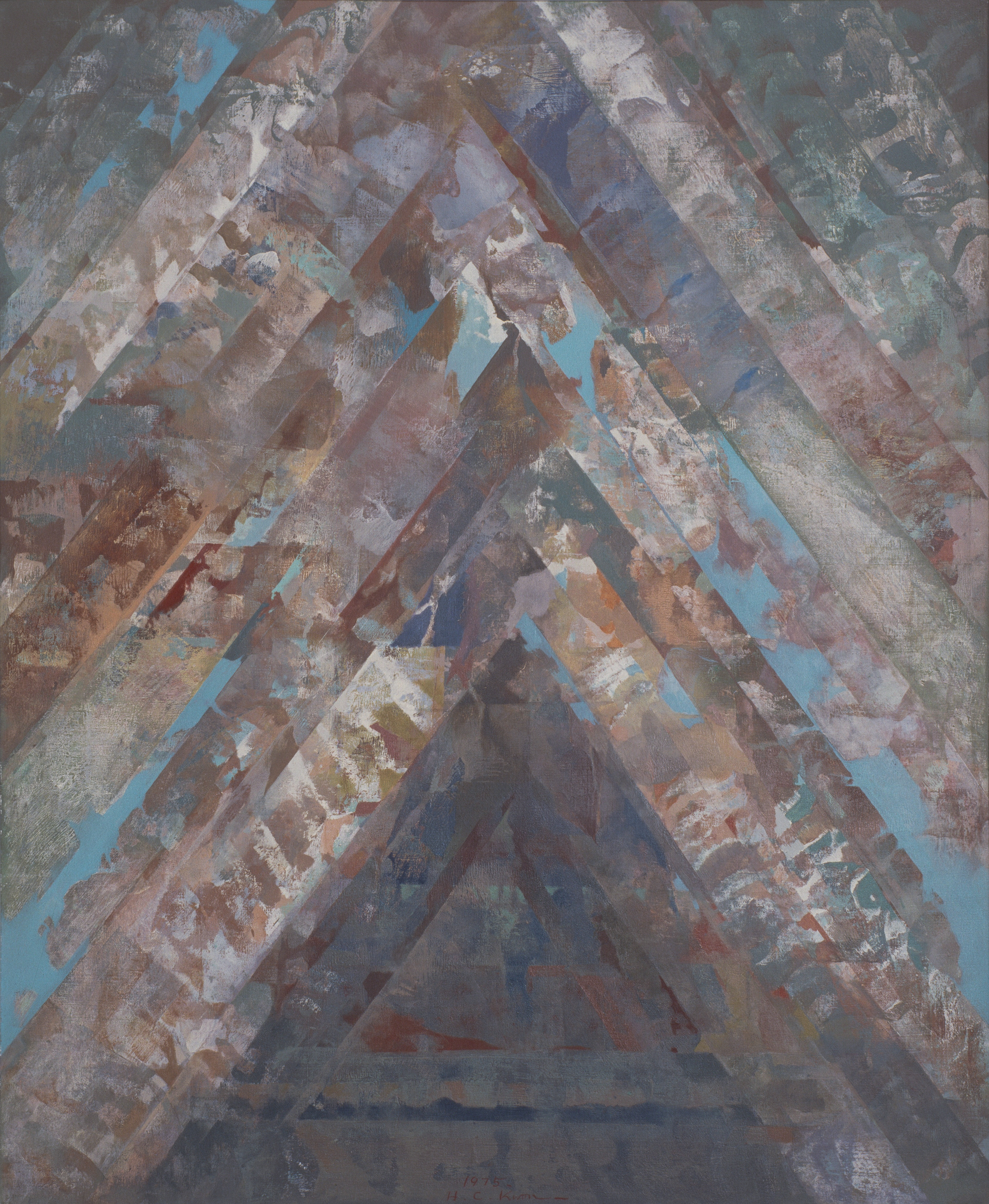
KWON Hoon Chill, 사조(思潮) III, 1975, Oil on canvas, 163×130cm
In Since That Day, KWON amplifies barely perceptible color bleeds, employing the concept of inframince to reveal qualities that are alike yet subtly different. He conducted formal experiments by pouring multiple, oil-diluted colors onto the canvas to encourage natural harmonization. This approach takes on another form in the Reunion series, where cracks and surface irregularities formed during the drying process are actively emphasized. Gradations of color—fading from top to bottom or vice versa—search for a point of orientation through the handling of light and darkness. In other works bearing the same title, he utilized dry ink brushwo.rk to expose the grain of hanji itself, as if evoking a rubbing technique. Many of these series leave traces where tape was applied and removed along the edges, recalling the metal fittings that frame traditional Korean furniture.
《Uncompleted Structures》 Installation View (3)
In his working notes, KWON reflects on the challenge of reconciling traditional elements with contemporary sensibilities, a concern he sought to address through Reunion. As he collected antique furniture and developed an interest in traditional bojagi textiles, he sharpened his sensitivity to Korean material aesthetics and began translating these Eastern visual sources into abstraction.
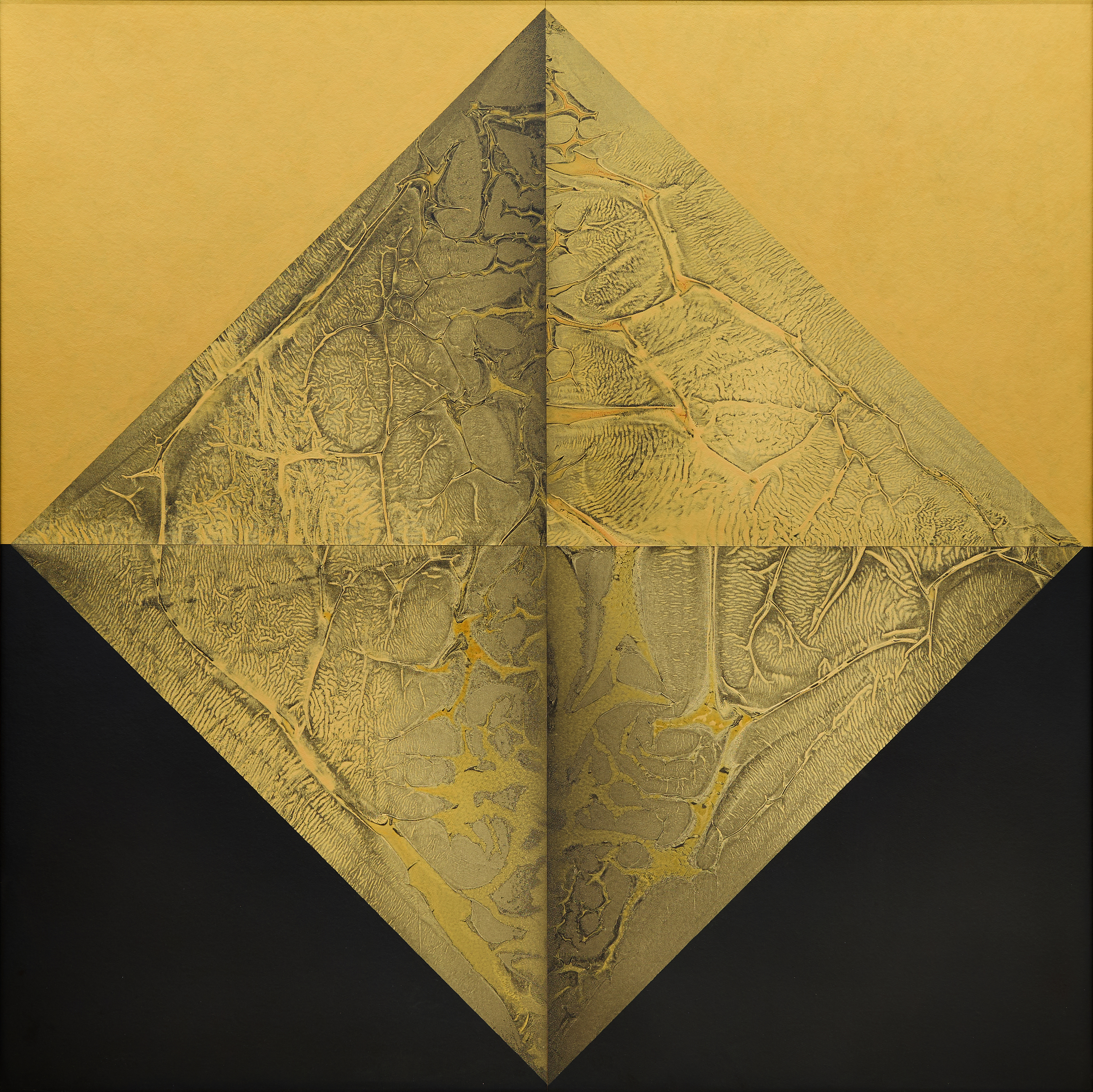
KWON Hoon Chill, 심문, 159x159cm, 1996, acrylic on cardboard
Although each era generates its own currents that tend to draw individuals along, KWON Hoon Chill articulated a distinctly independent painterly language within such flows. While embracing Western modernism, he sought to embed an Eastern sensibility through Korean materials and imagery, a pursuit that culminates in the Image of Mind series. Within orderly and robust compositions, opposing triangles face one another, allowing abstraction to transcend the flat plane and acquire spatial expansion—marking a crucial turning point in his later abstraction.
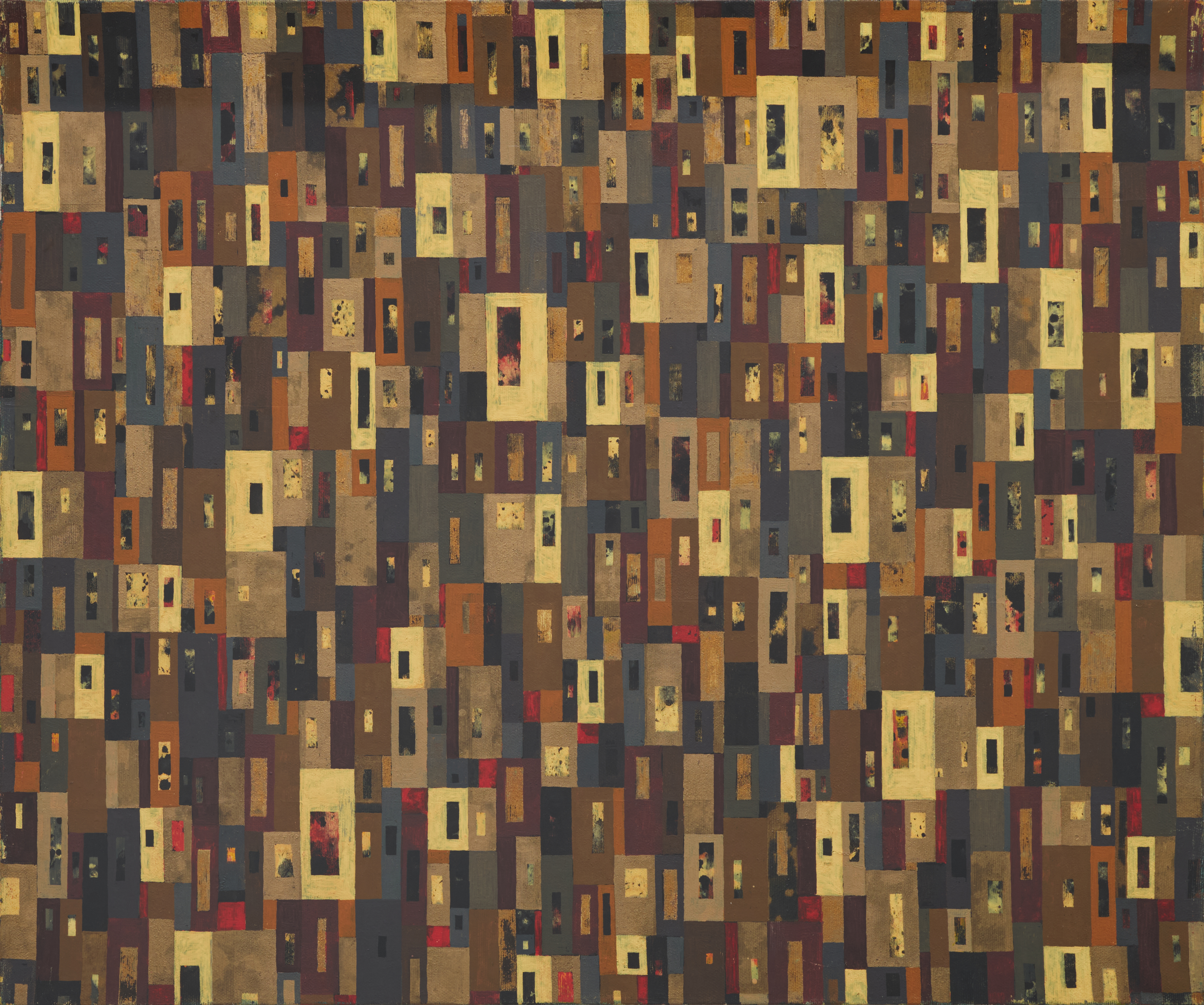
KWON Hoon Chill, Untitled, 50x60cm, oil on cardboard, 1990
Image of Mind, meaning “patterns of the mind,” becomes the foundational formal unit of his subsequent mandala series. The chance traces produced through crumpling and cutting hanji permeate the surface naturally, operating through subtle dynamics of fullness and emptiness. Through this process, his works acquire a distinctive depth that fluidly traverses materiality and time, chance and order, and consciousness and the unconscious.
Gallery Doll
87 Samcheongro, Jongro-gu, Seoul
+82 2 739 1405, 6
Share
[GALLERIES] Gallery Doll
- Dates
- 2026. 1. 26 – 2. 28
MORE LIKE THIS


Share
