Mute : Instrumental Scenes
2026. 2. 21 – 3. 1 | [GALLERIES] Gallery Woo
Yoshimura Munehiro
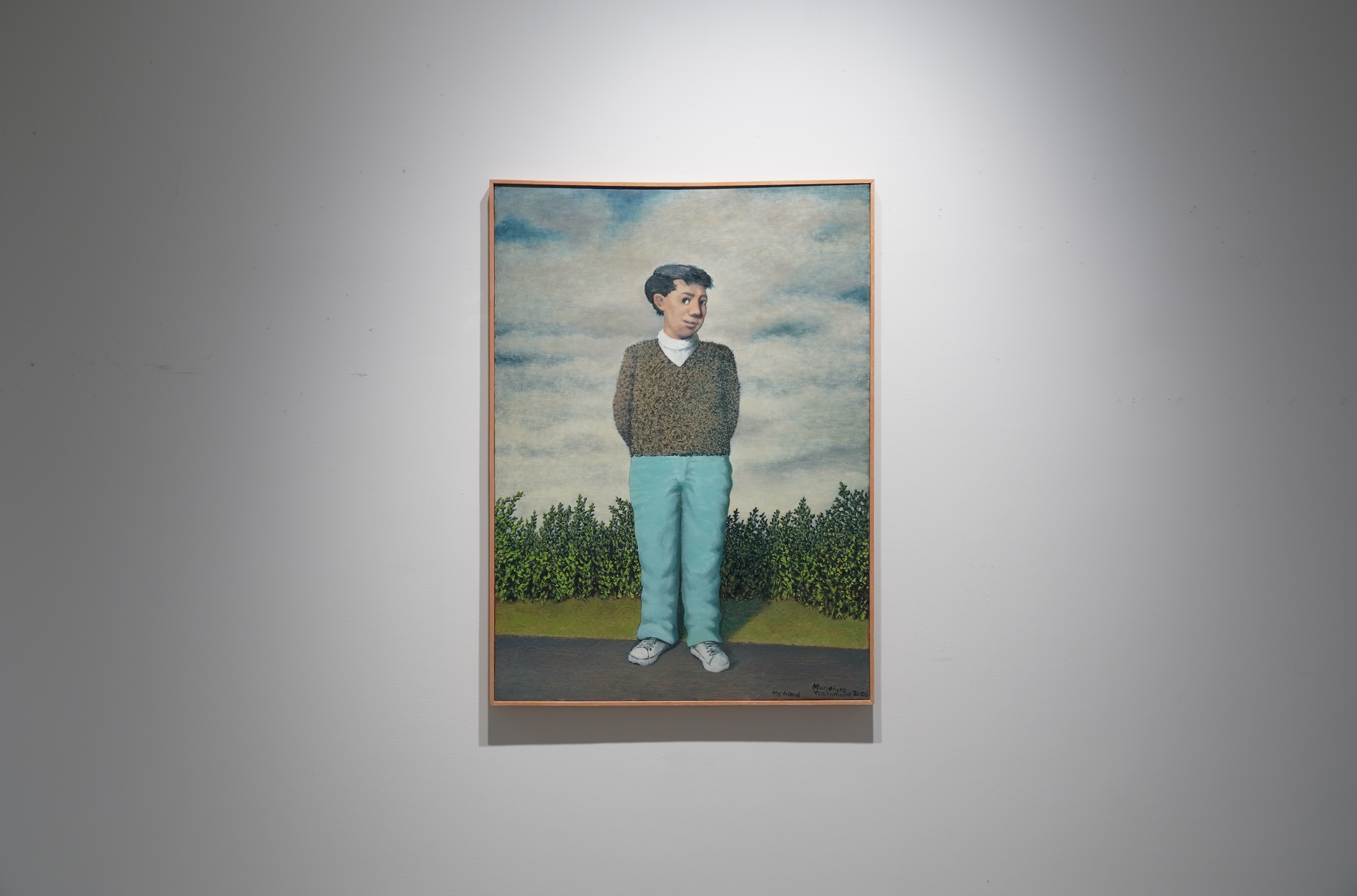
Installation View (1)
Yoshimura Munehiro’s paintings make the viewer stop for a moment in front of a single scene.
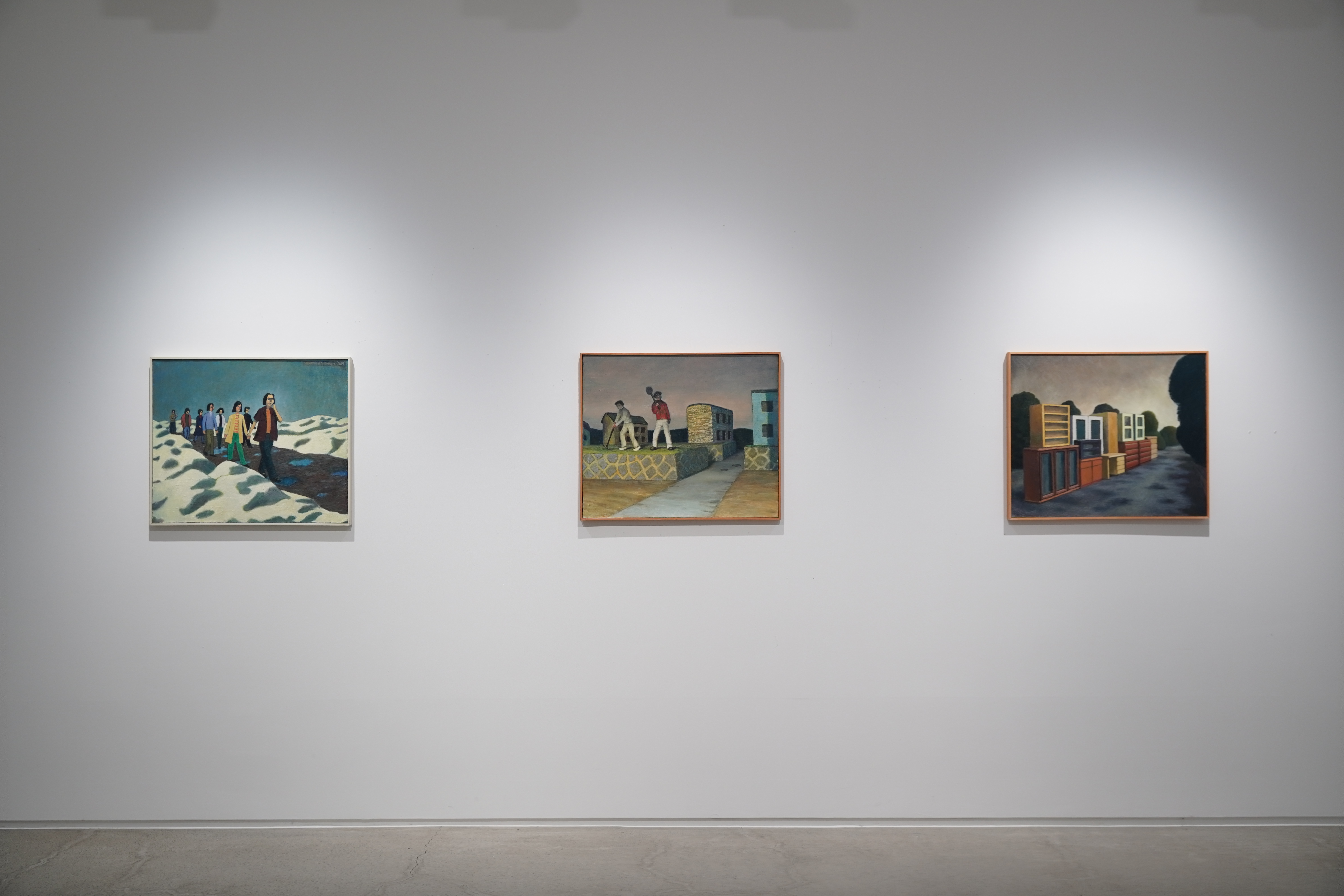
Installation View (2)
His canvases maintain a quiet rhythm as if sound has been removed, containing a certain tension and balance whether there is a figure or not. This exhibition, 〈Mute : Instrumental Scenes〉, suggests the pictorial rhythm created by scenes that do not speak and the time that stays within them.
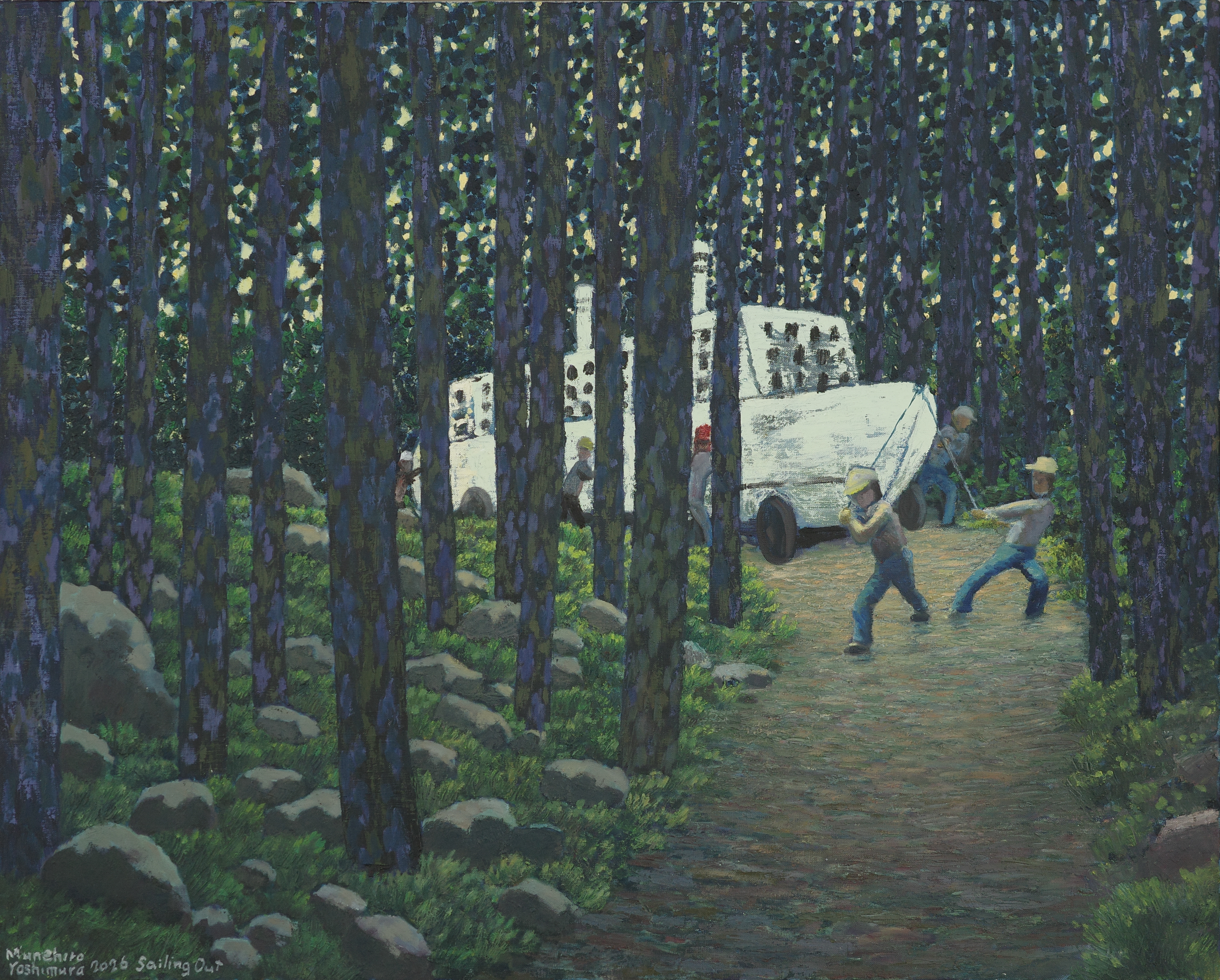
Departure ,2026, 100×80.3cm, Oil on canvas, 2026
In Yoshimura Munehiro’s works, scenes in which figures appear and scenes that are completely empty coexist. However, this difference is not an excess or lack of meaning, but rather close to a difference of rhythm. Scenes with much speech and scenes without speech complement one another, completing the overall flow of the picture.
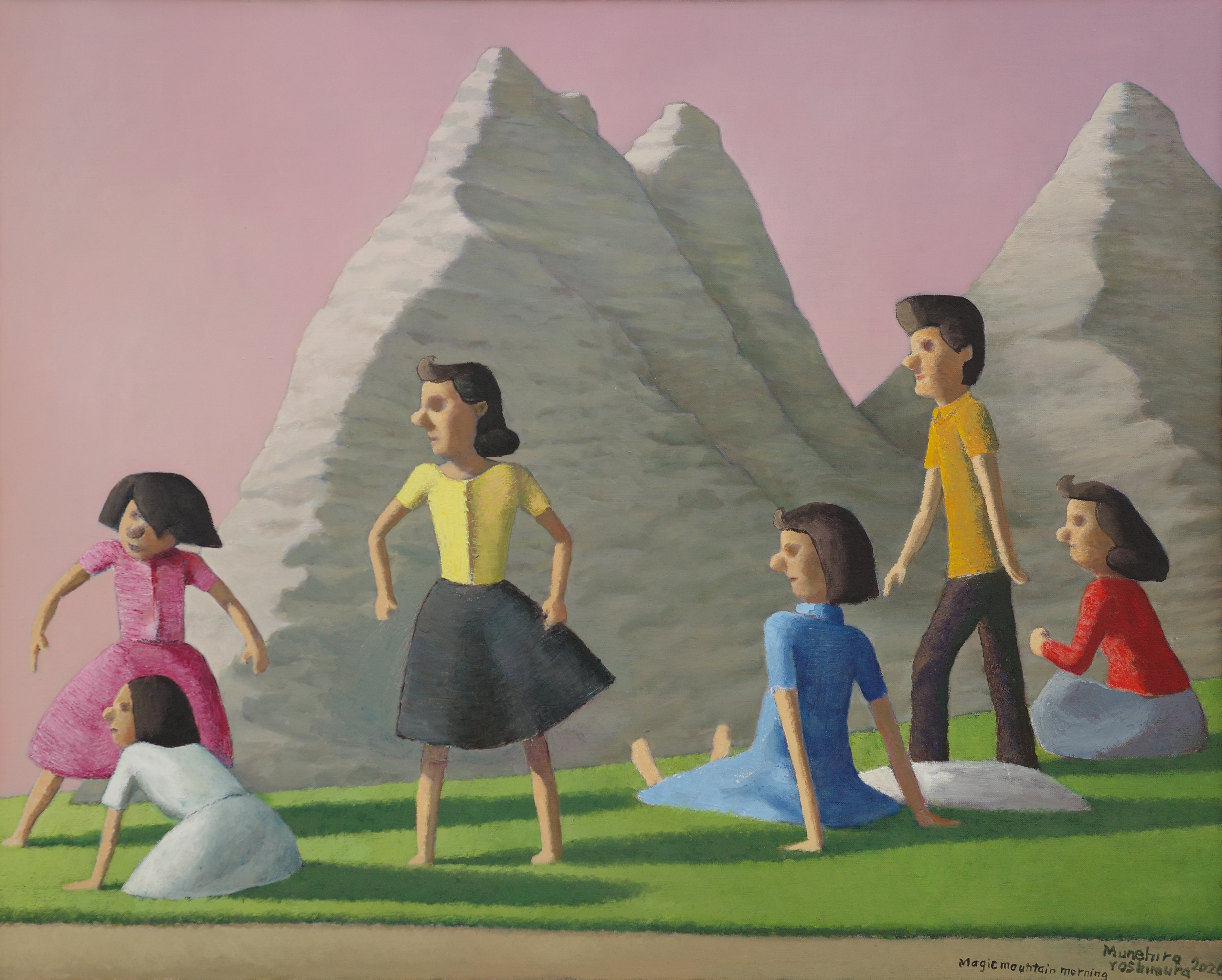
Magic Mountain Morning, 100×80.3cm, Oil on canvas, 2026
The artist calls himself a “strict composition supremacist.” In his paintings, composition is the order that supports the image before emotion or narrative. Figures, buildings, and backgrounds such as mountains are placed in calculated positions. As a result, his paintings possess a frozen moment like a scene from a film.
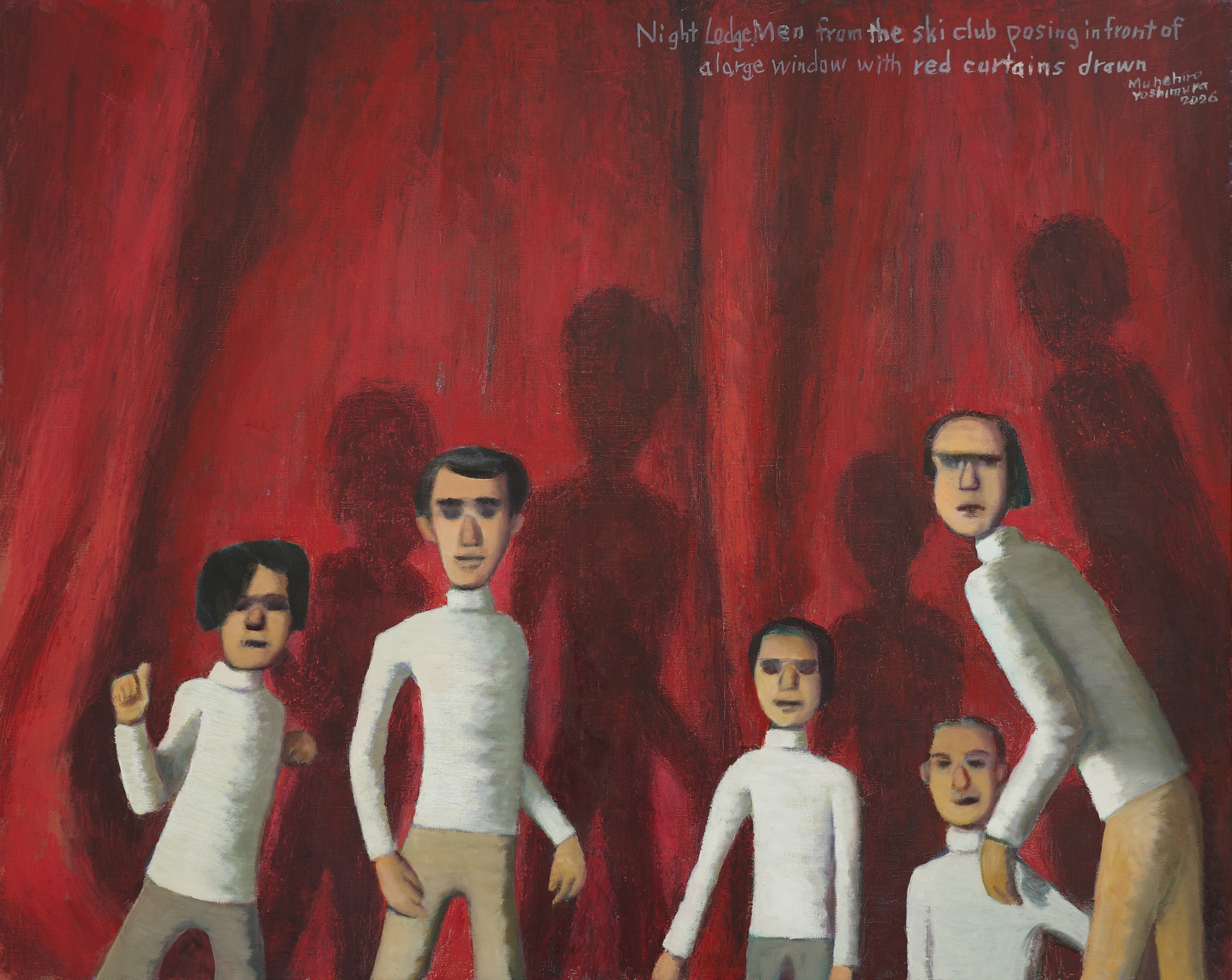
Ski Club, 100×80.3cm, Oil on canvas, 2026
Yoshimura says that out of ten paintings, approximately one is completed as a scene without a figure. He compares this kind of work to music and calls it “Instrumental painting.” Like a band that always includes one instrumental track in each album, the canvas without figures plays the role of adjusting the rhythm of the entire exhibition.
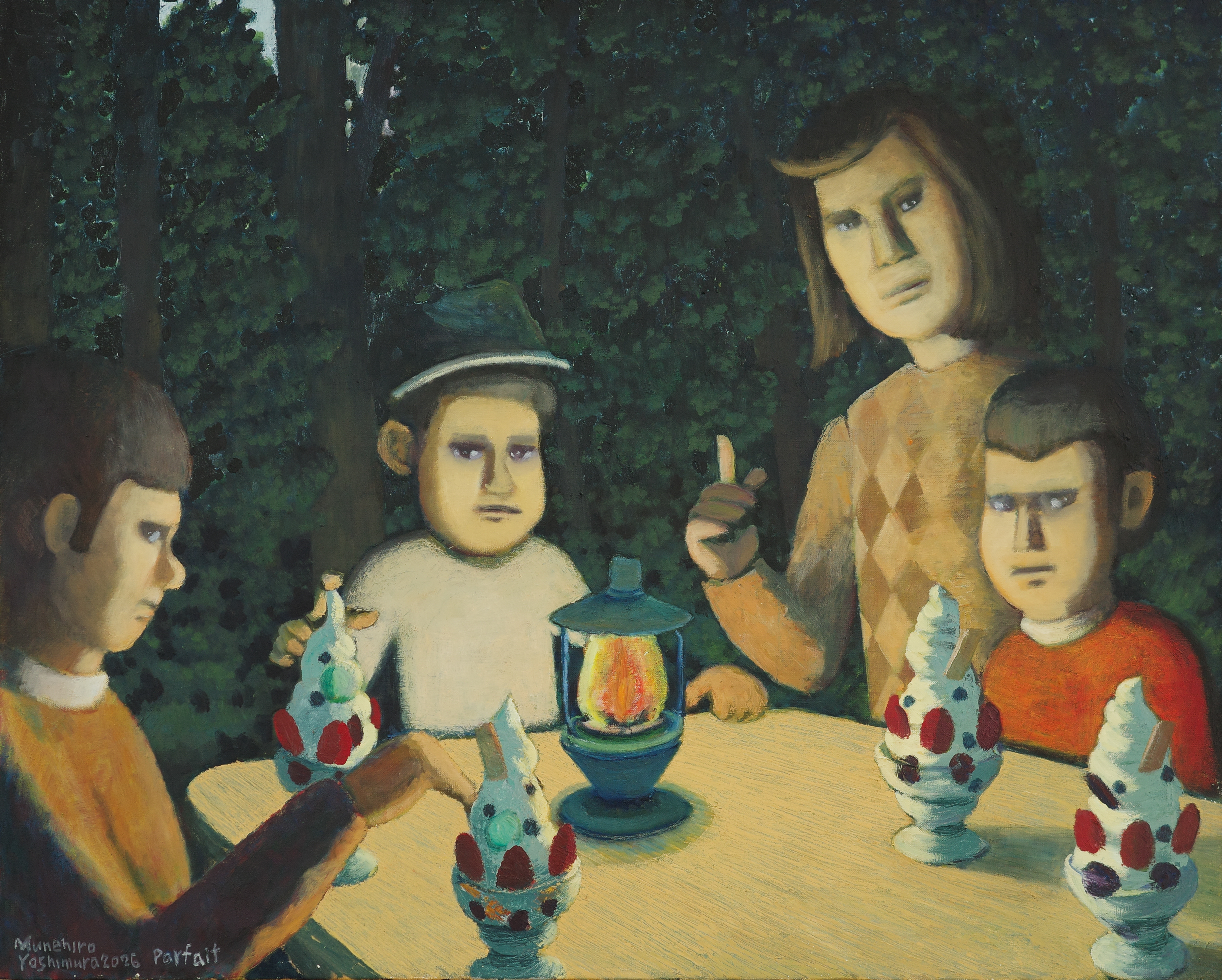
parfait, 100×80.3cm, Oil on canvas, 2026
Even in scenes without figures, his paintings are not silent. Rather, they leave more room, allowing the viewer to remain inside the scene at their own pace. These paintings do not demand a story. Instead, they suggest time spent quietly within a single scene.
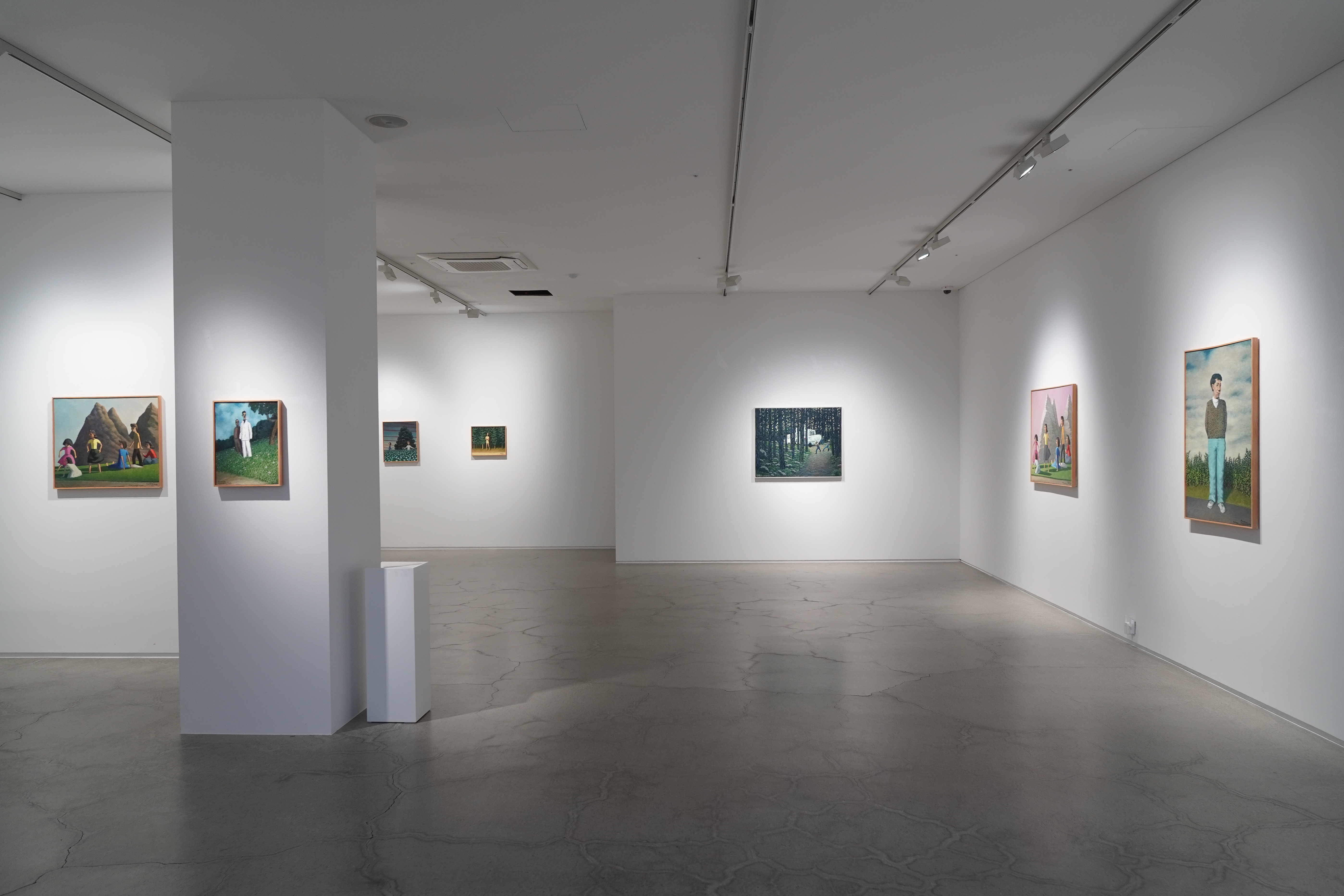
Installation View (3)
In this exhibition, some retouched works will also be introduced. The artist has long repeated the process of adding new images on top of existing paintings. Through this process, time accumulates on the surface of the canvas, and the density of the paint naturally increases. As a result, the retouched works approach not as newly painted pictures, but as scenes that have reached their present form slowly over a long period of time.
Gallery Woo
1F, CUBE Building 10, 74 Daebyeon-ro, Gijang-eup, Gijang-gun, Busan
+82 51 742 6596
[GALLERIES] Gallery Woo
- Dates
- 2026. 2. 21 – 3. 1
MORE LIKE THIS