Invisible Actors
2025. 12. 9 – 2026. 1. 10 | [GALLERIES] GALLERY PALZO
Cho Kyoungjae
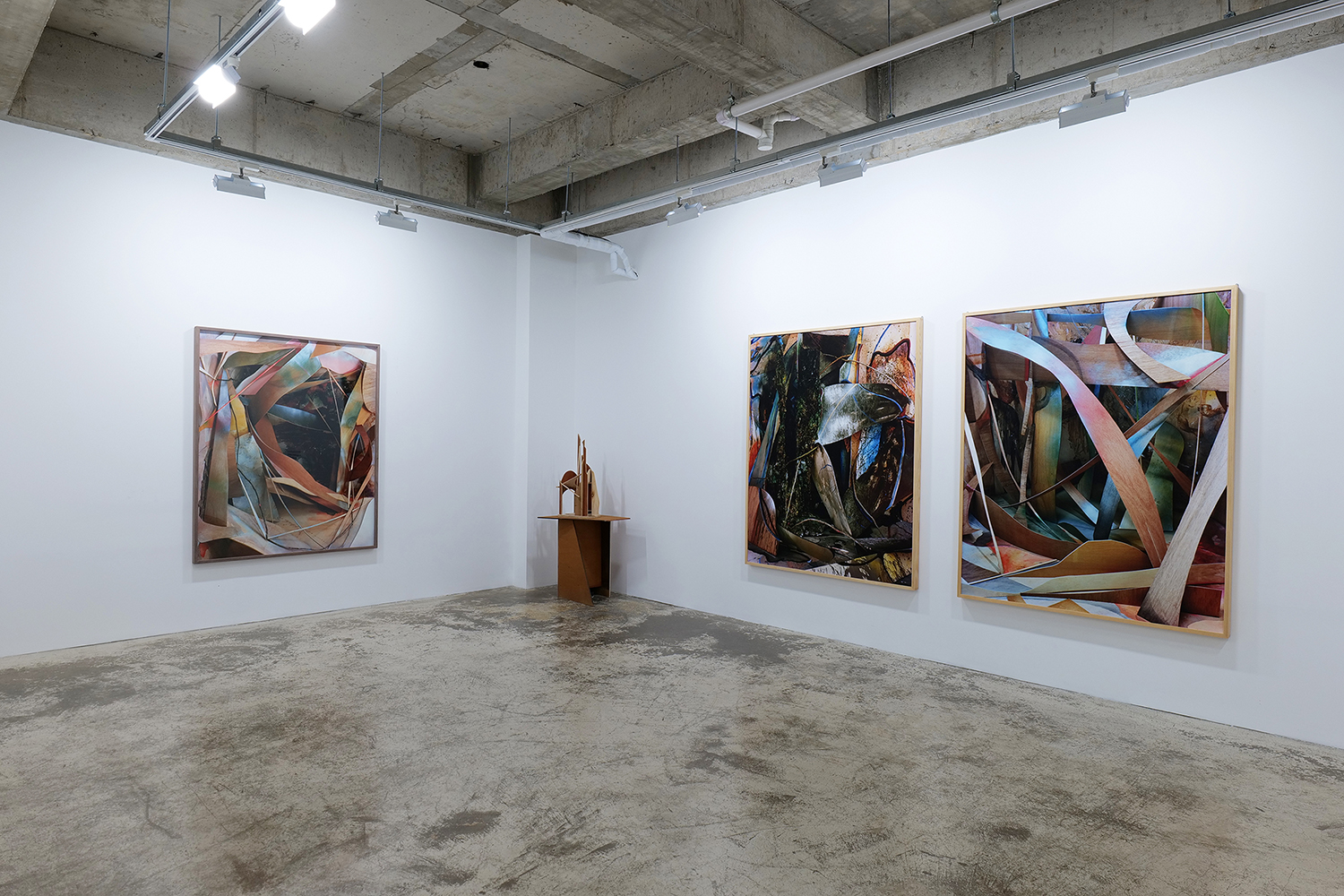
Installation View (1)
Cho Kyungjae is a photographer who completed the Meisterschüler program at Kunstakademie Münster and has been active in both Europe and Korea. His work revolves around constructing actual spaces within the limited frame of the camera, often transforming them into abstract compositions, which he captures through photography.

Kkal(깔)_a suffix used to mean a state or a quality, 2024, Inkjet print, 160x127cm, ed. 2(5)
His work focuses on a subtle exploration of the intricate interactions between space, objects, light, and time. Using photography as his primary medium, along with installations and performances, he experiments with various forms to rearrange and reinterpret everyday objects and spaces. Through this, he captures the inner transformations and subtle interactions of fleeting moments that are often overlooked. His work reconstructs and records space and objects within the limited frame of the camera in an abstract manner, revealing the delicate interplay and inherent changes between objects, space, and time. He also observes these interactions with great care, and these explorations are clearly reflected in his photographic work. His photographs are pure images captured with an analog camera, where physical objects are installed in real spaces without the use of collage or digital manipulation. In this process, objects lose their original function and form, transforming into their intrinsic colors and shapes, thereby creating a new visual language.

Installation View (2)
This exhibition, Invisible Actors, presents these explorations as a ‘theater of invisible actors’ unfolding within the frame of the camera, demonstrating that existence itself is already an act. Through this exhibition, the audience can directly experience the subtle interactions between objects, space, and time. Cho KyungJae expands his photographic work beyond its finished form by incorporating various physical media, such as installation and sound. As in his previous exhibitions, this exhibition continues to transform and deconstruct the structural characteristics of photography into other formats.
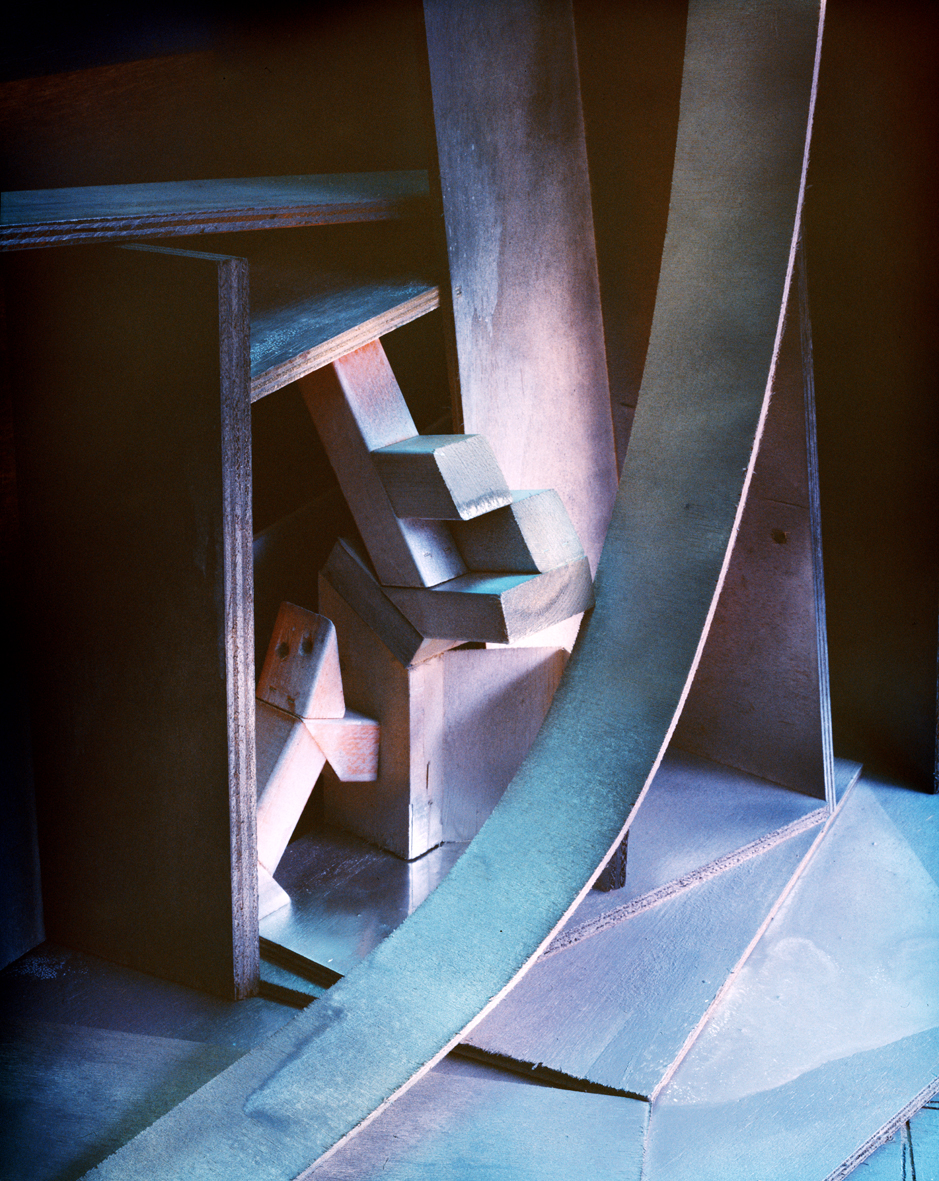
Blue, 2022, Inkjet print, 58x47cm, ed. 1(5)
Cho Kyoungjae ‘Invisible Actors’
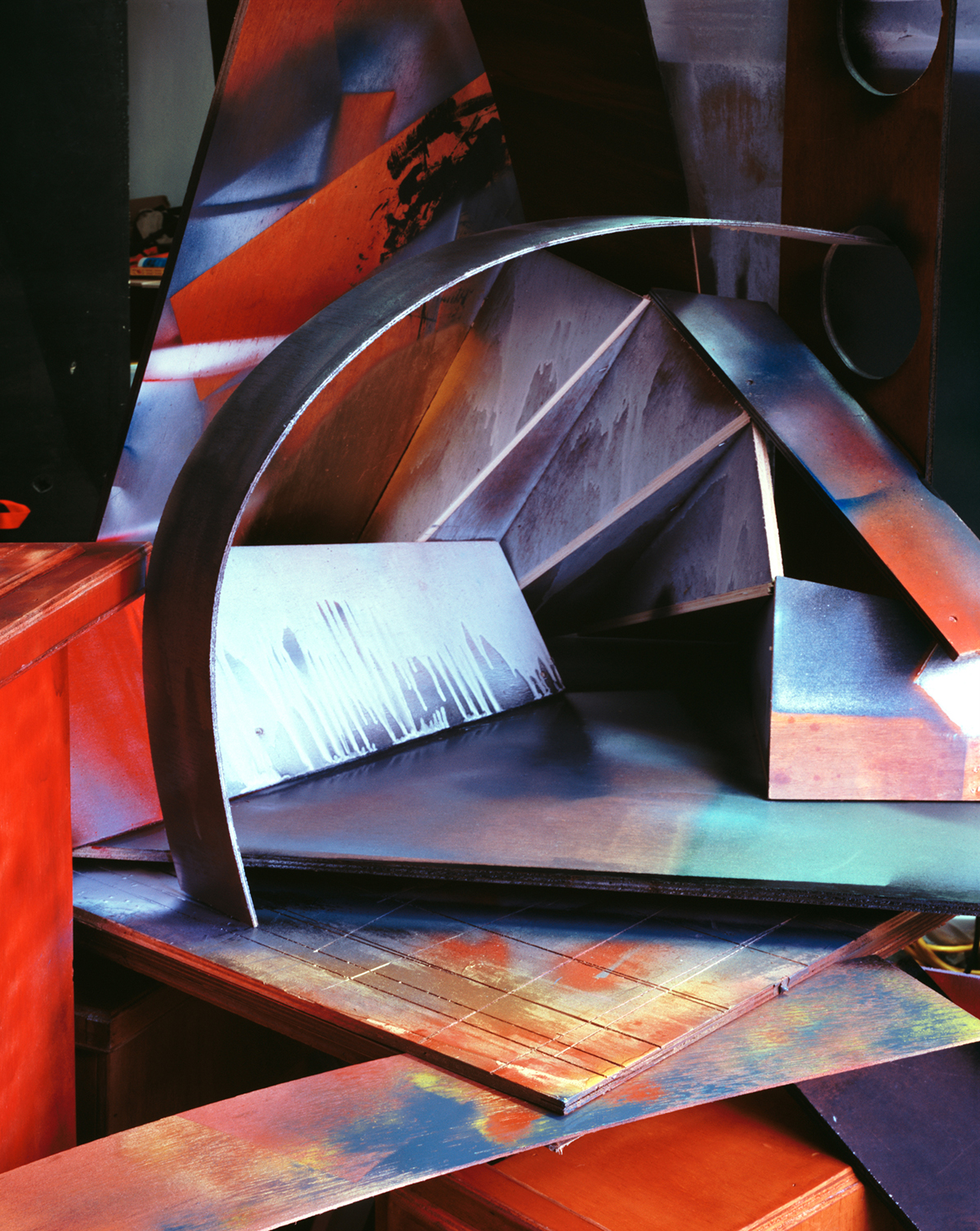
Untitled, 2022, Inkjet print, 117x92cm, ed.1(5)
Cho’s photographs resemble a stage—one in which no actors appear. Instead, objects, light, and the passage of time are each assigned quiet roles, composing scenes in their own restrained manner. The artist follows the shifting light throughout the day, observing with care the landscapes it leaves upon objects. What he captures is not a completed performance but an ongoing rehearsal, or the brief moment in which light attempts a small chat with the things it touches.

Installation View (3)
When one lingers on his images, a subtle ensemble choreography among the objects begins to surface. There is a deliberate alignment—a direct, ordered kind of group movement—yet alongside it exists another, more indirect choreography, where each object preserves its own distinct character while gently responding to others. These dual movements, though visually still, generate slow internal waves, as if signaling the continuous negotiation of a scene.
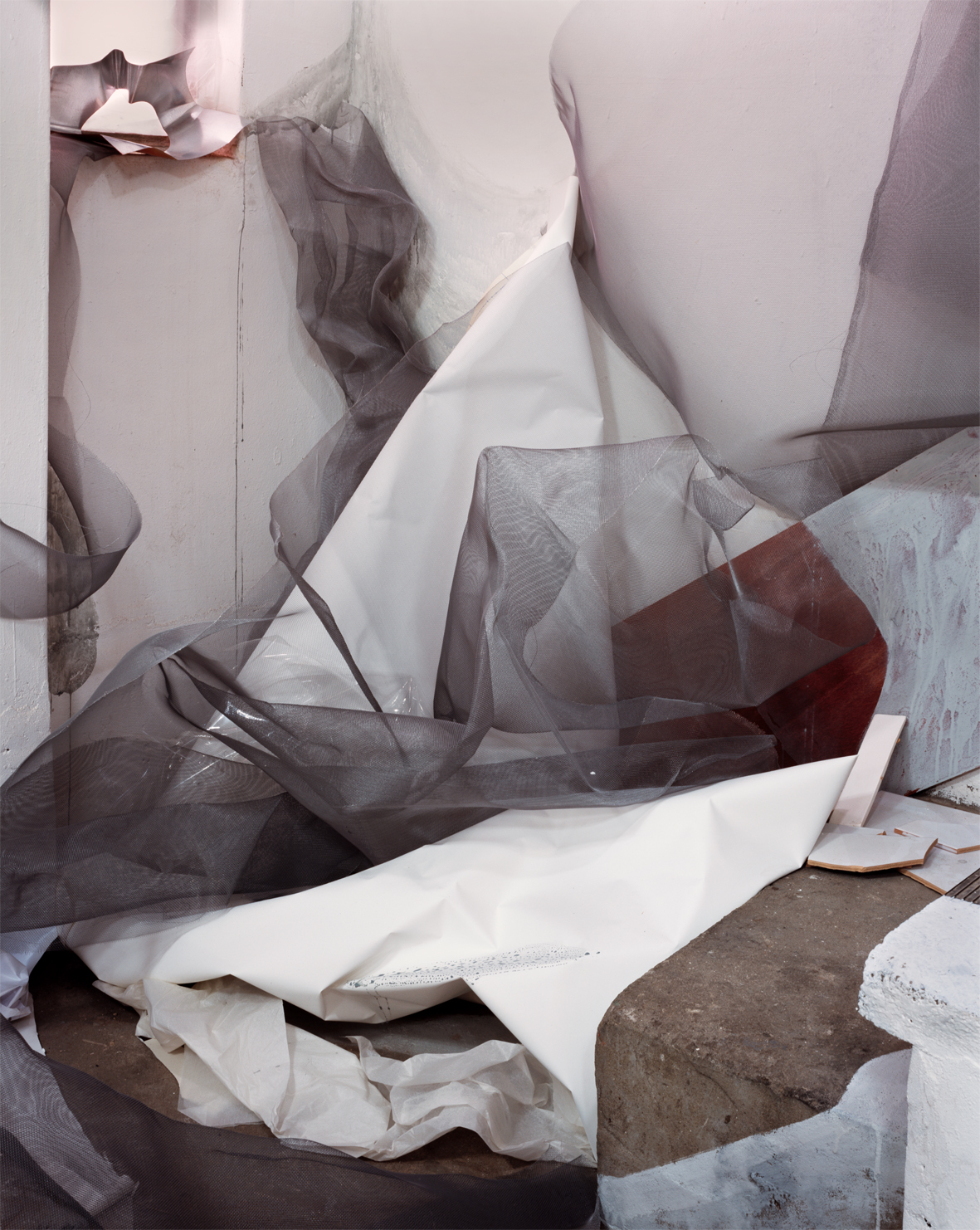
Gray Smoke, 2021, Inkjet print, 180x150cm, ed.1(5)
Under his gaze, objects are never mere surfaces that reflect light. They become responsive presences that push and pull the surrounding landscape, adjusting their positions like performers aware of their partners onstage. Through these scenes, the artist reveals that the simple act of an object existing is already a form of action. In such moments, the camera ceases to be a recording device; it becomes an unseen observer, a spectator, and a mediator of the faint tension between light and matter.
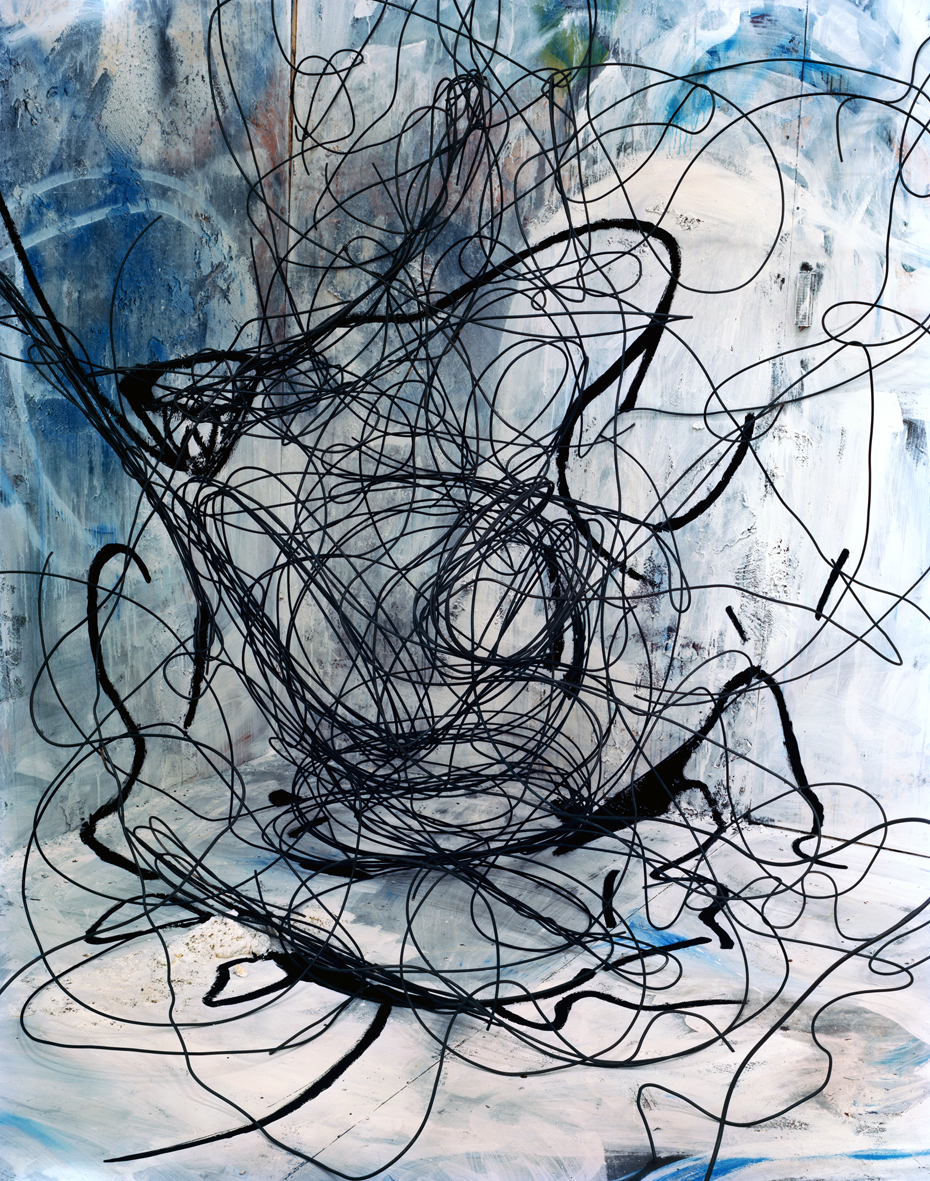
Iron 002, 2024, Inkjet print, 29.7x21cm, ed.1(5)
Thus his photographs evoke a stage stripped of actors yet filled with invisible performers quietly responding to one another, each revealing their own fleeting scene within every-changing natural light. The image is not a fixed tableau but a small rehearsal shaped by breath, distance, angle, and illumination. In this sense, it becomes clear why his work feels theatrical—not because it imitates drama, but because the order, tension, and relationships already flowing between things compose a stage of their own.
GALLERY PALZO
2F, 145-3, Yonghak-ro, Suseong-gu, Daegu, 42216 Republic of Korea
+82-53-781-6802
[GALLERIES] GALLERY PALZO
- Dates
- 2025. 12. 9 – 2026. 1. 10
MORE LIKE THIS