


Nosik Lim
ARARIO GALLERY
Nosik Lim completes his paintings by erasing the landscapes he has painted. After depicting the fields of his hometown in oil on canvas, he rubs the entire surface with transparent oil pastel, erasing what he has made. A translucent film forms over the surface, and the forms within the painting blur like scenery beyond a veil of mist. What he paints is a small village in Yeoju, Gyeonggi Province, where he was born, and the landscape of relationships in which people and nature live leaning on one another.
Lim graduated from the Department of Oriental Painting at Hongik University’s College of Fine Arts, received master’s degree in Fine Arts at the Korea National University of Arts, and received a doctorate in painting from the Graduate School of Hongik University. Drawing on his training in Korean painting, he has since developed a distinctive painterly world that combines oil paint and oil pastel. He has held solo exhibitions at the Kumho Museum of Art, Project Space SARUBIA, and Sothu in Zurich, Switzerland. He was selected as a Kumho Young Artist in 2022 and received the Huh Baek-ryun Art Award at the Gwangju City Culture and Arts Awards in 2025.
His work begins with walking. Rather than observing the landscape from a distance and transferring it to the canvas, the artist walks into the fields of Yeoju and gathers images of rice plants, wildflowers, and clouds one by one. Back in the studio, he rearranges these collected images on a single picture plane regardless of their original time and distance, paints them in oil, and then erases them with transparent oil pastel. What he attends to most in this process is erasing every brushstroke with consistent pressure. “Because a film forms at the very moment of erasing,” the artist explains, “erasure and making occur within a single act.”
Lim’s work changed course three years ago. Having previously painted the things coexisting within the space of his studio, he turned his gaze to his hometown of Yeoju. In the village, elderly farmers who have worked the land for generations and foreign laborers who at some point came to work alongside them now live together, sharing the same time and place. Taking funeral customs, multicultural life, and agrarian culture as his subjects, the artist paints “stories of people holding one another up through the time in which they are raised, grow, disappear, and are laid in the earth together.” He adds that his next body of work “will continue with the themes of culture, family, clan villages, and multiculturalism.”
At this year’s Kiaf, Nosik Lim presents new oil paintings including his representative work Ancestral Graveyard – Landscape 37, along with Wildflower – Landscape 60 and Brother – Landscape 38, as well as works from the Studio and WD Series. Because of the film covering the surface, the painting seems to come into view at a glance, yet its forms resist easy recognition. “If the moment of discovering a single wildflower or a cluster of rice beyond the hazy film stays with the viewer,” the artist says, “that is the greatest thing the work can do.” Standing before his paintings, viewers move nearer and farther, left and right, searching out a landscape within the mist.
Artworks
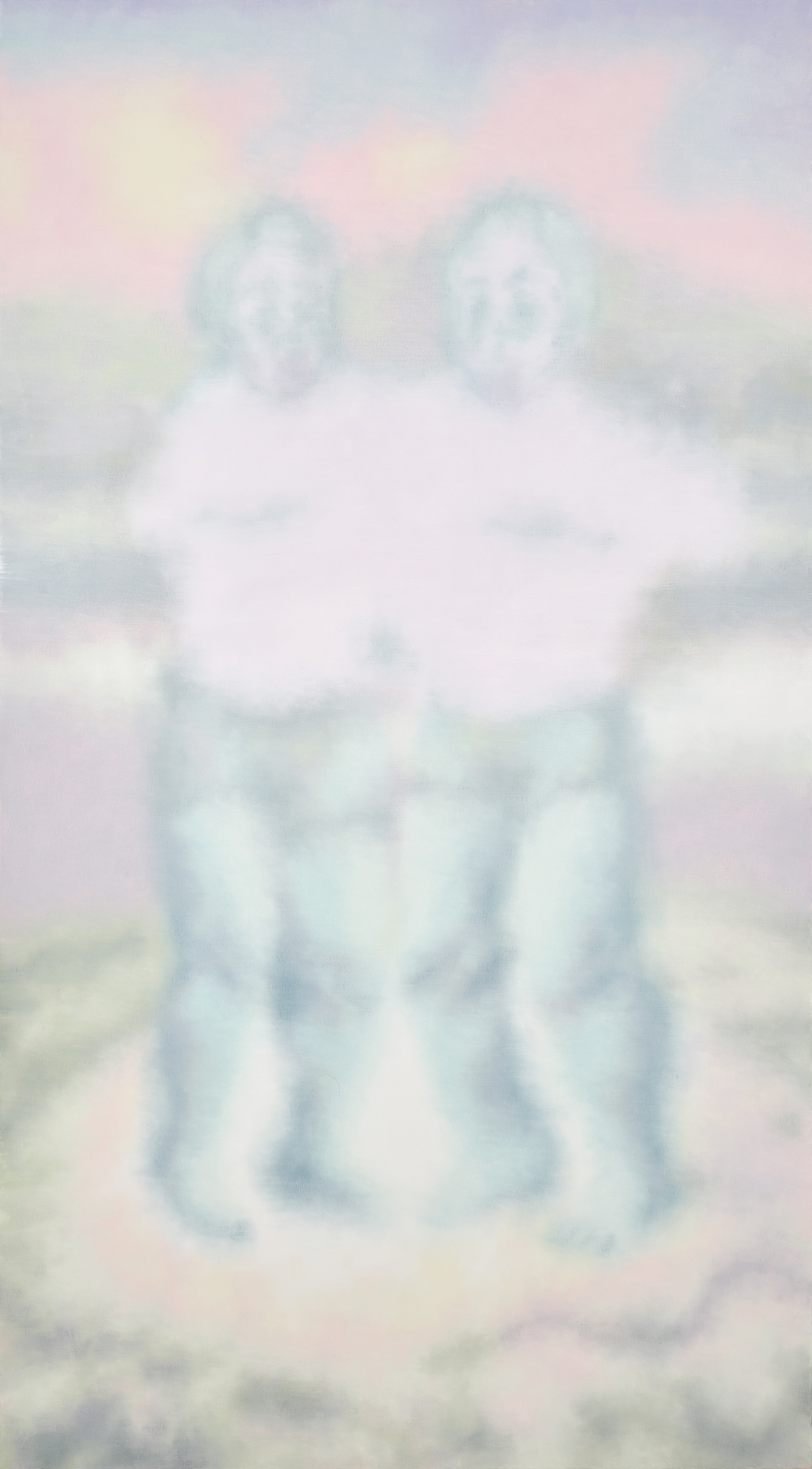
Brother - Landscape 27, Oil on canvas, 190×105 cm, 2025
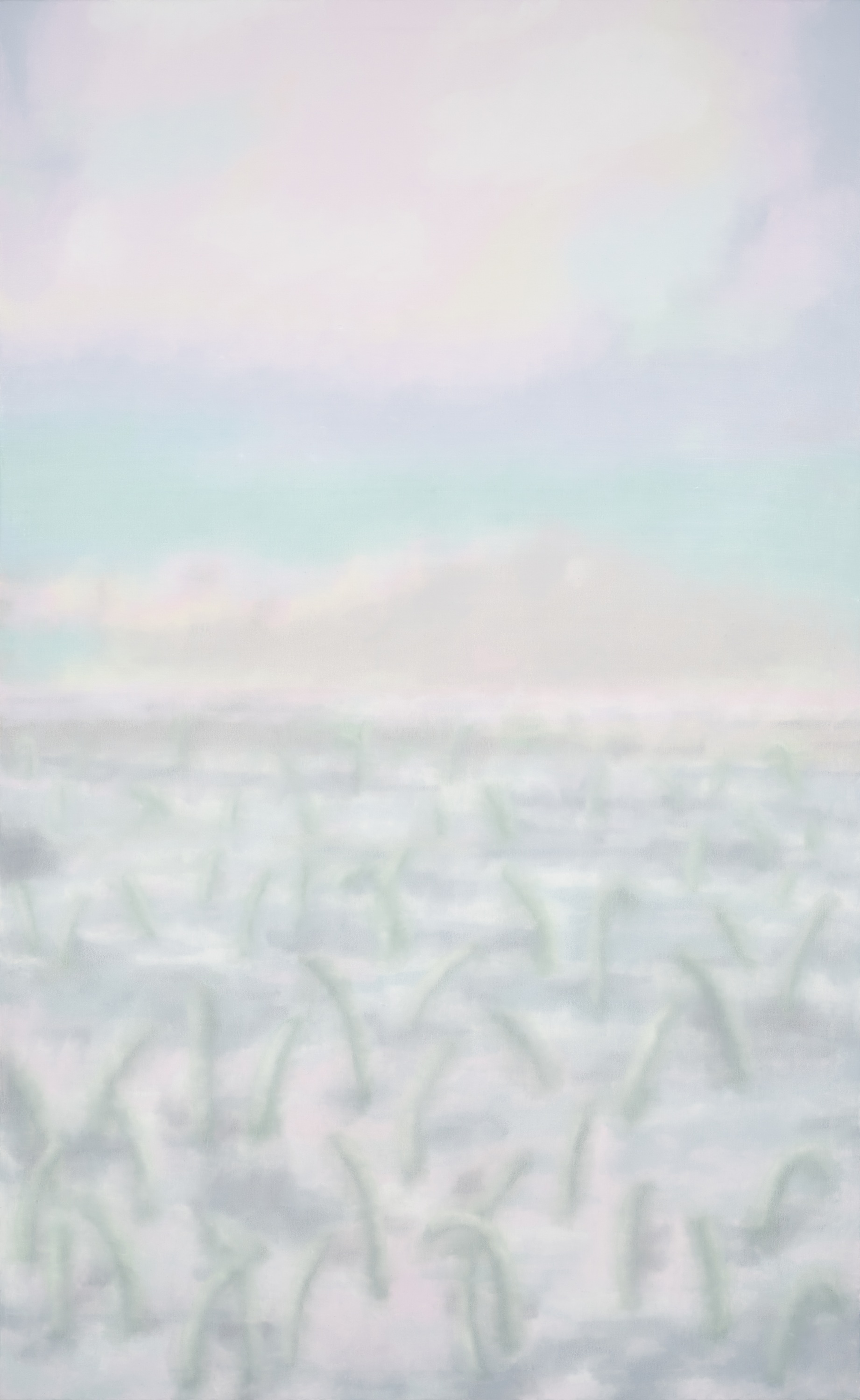
Field - Landscape 36, Oil on canvas, 190×117 cm, 2025
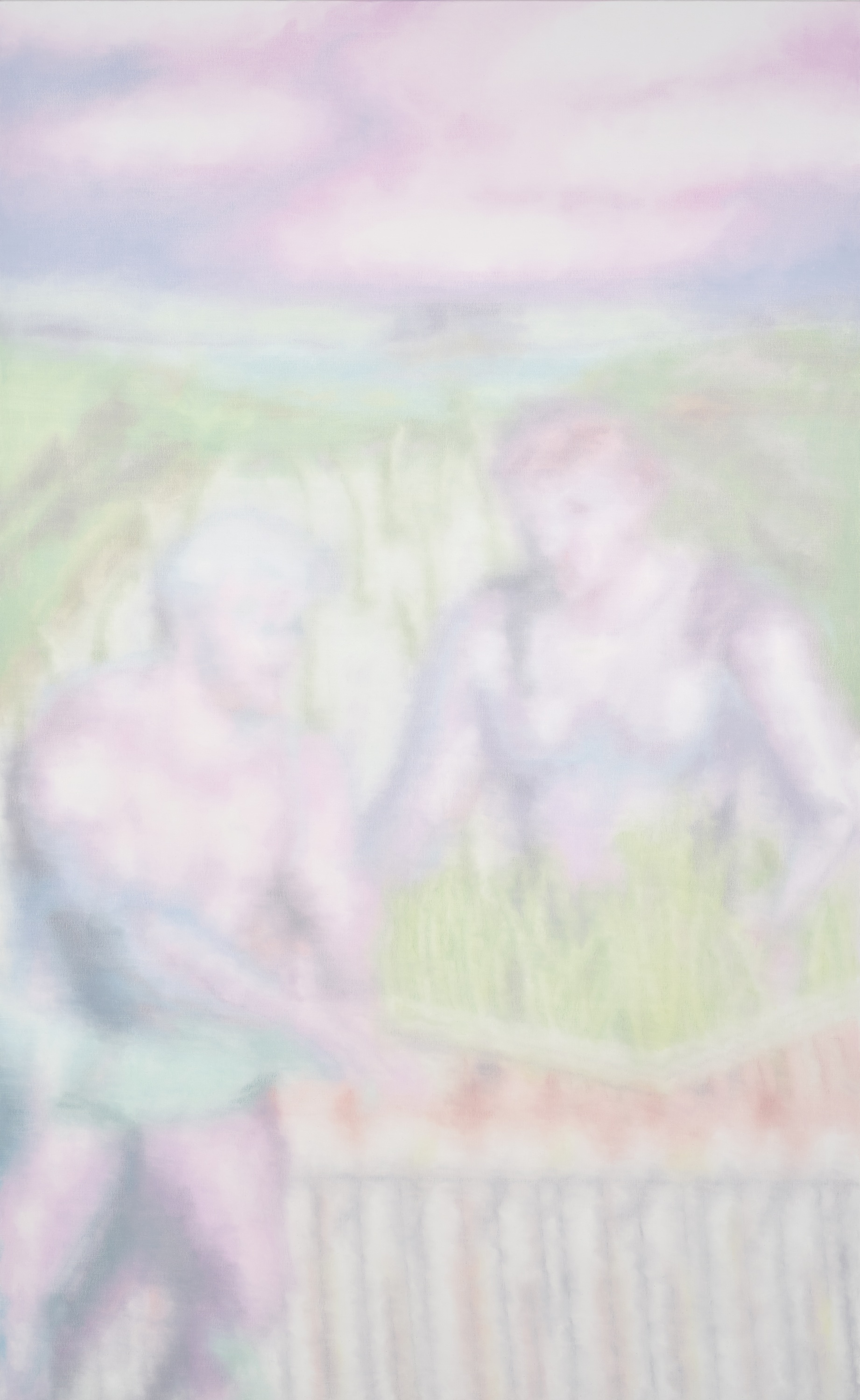
Rice Seedling - Landscape 24, Oil on canvas, 190×117 cm, 2025
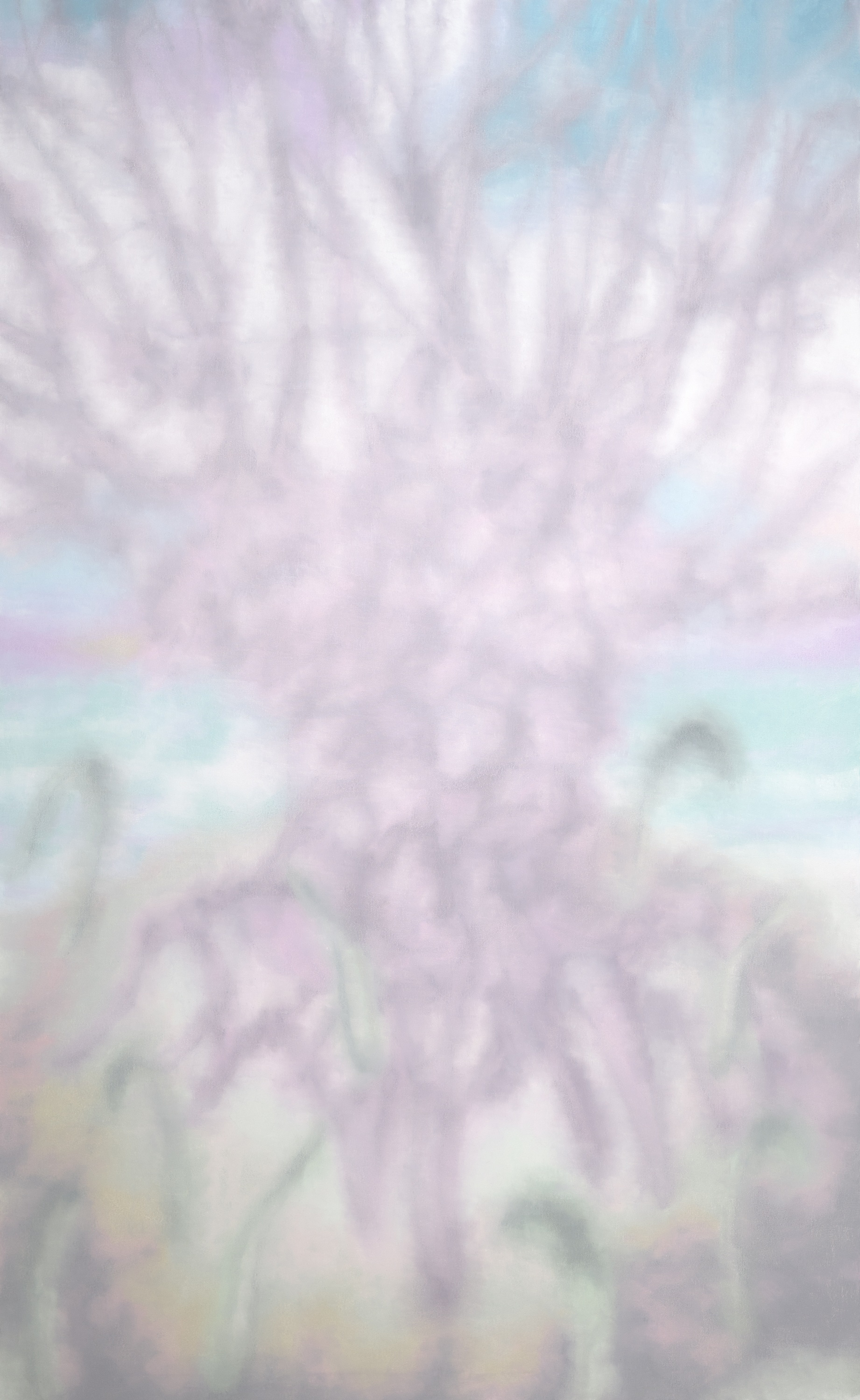
Tree - Landscape 39, Oil on canvas, 190×117 cm, 2025
